
A ‘toolkit’ approach to interventions is a starting point for designing
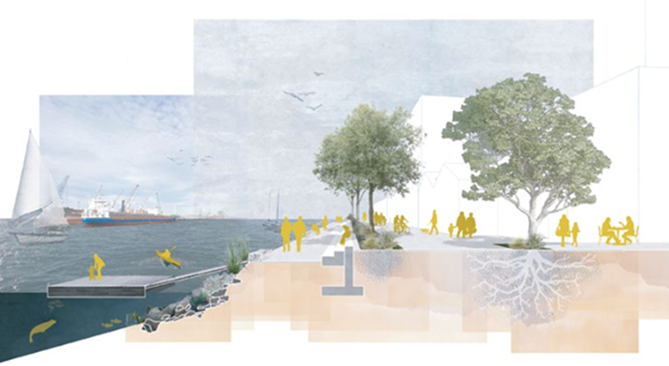
custom solutions to enhance each character area along Belfast’s waterfront. Some interventions should be incorporated in all character areas, like SuDS, while others are only suitable in some locations, such as boardwalk extensions and playgrounds. All interventions differ in terms of complexity of delivery, planning and cost. Each intervention is supported by inspiring ideas
Toolkit Interventions
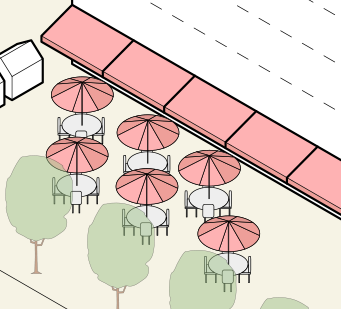
People want to spend time in waterfront areas as such good waterfront design should include a variety of places to stop, dwell, and relax. Activated waterfronts provide places to sit, eat, and drink and can extend the cultural and social fabric of an urban centre.
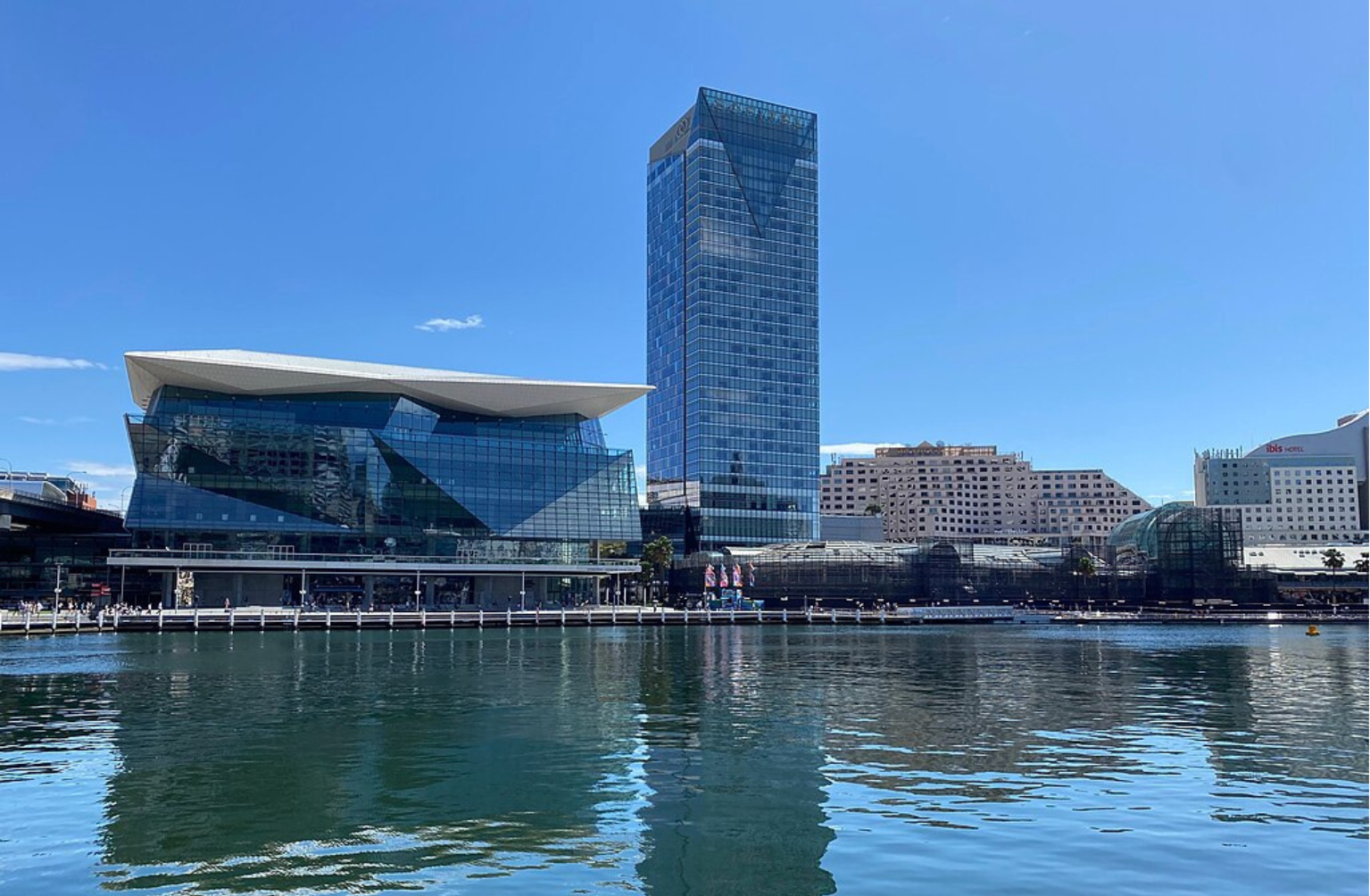
Cafes and concessions are built into the hillside leading to Darling Harbour. Visitors can enjoy dipping a toe in the water feature, exploring the playground, or getting out of the sun under the overpass.
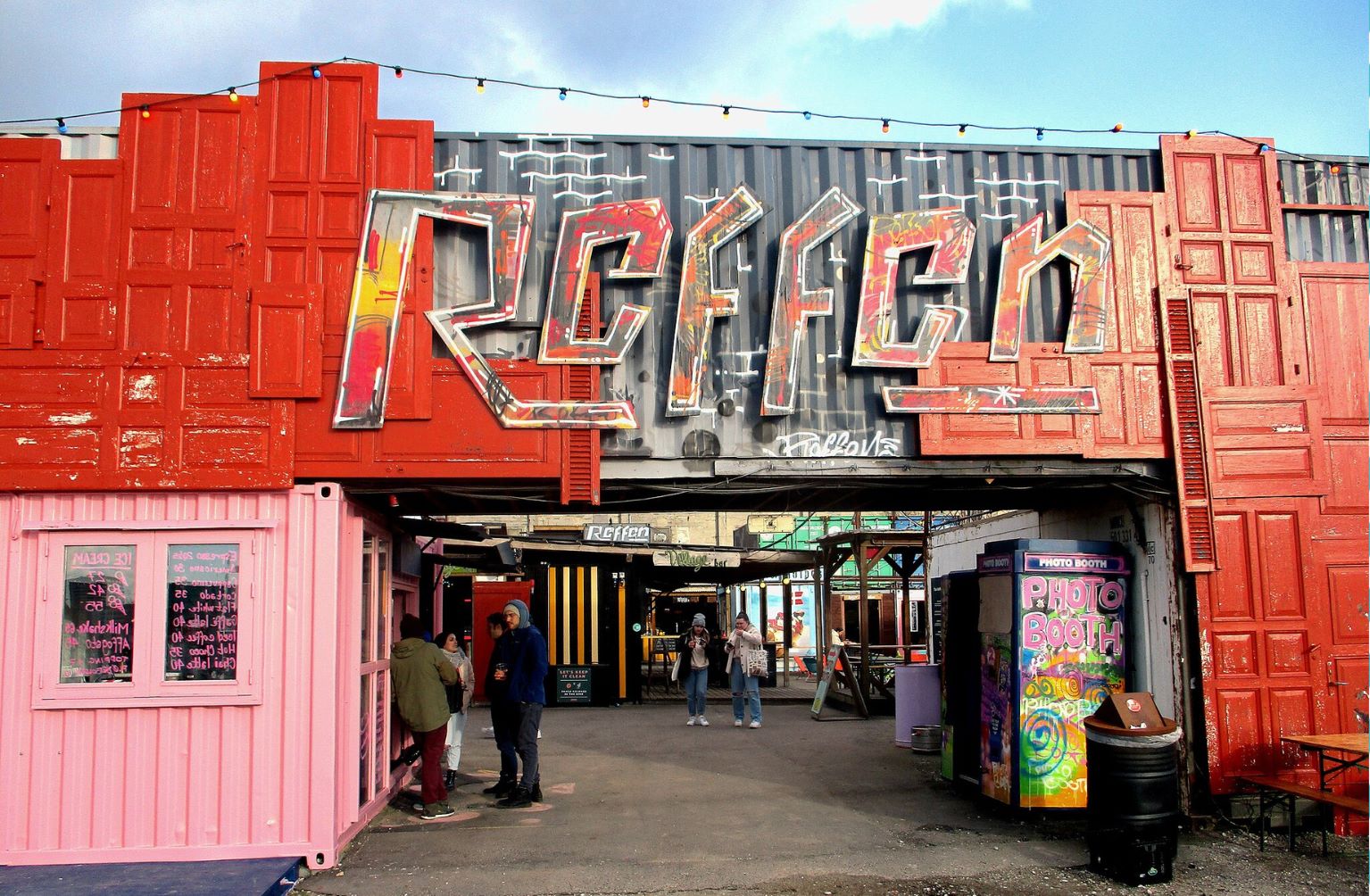
Reffen in Copenhagen sits on a post industrial site and west facing piece of harbour-side. With a community style of architecture, the pop-up feel is a popular place for locals to eat and drink.
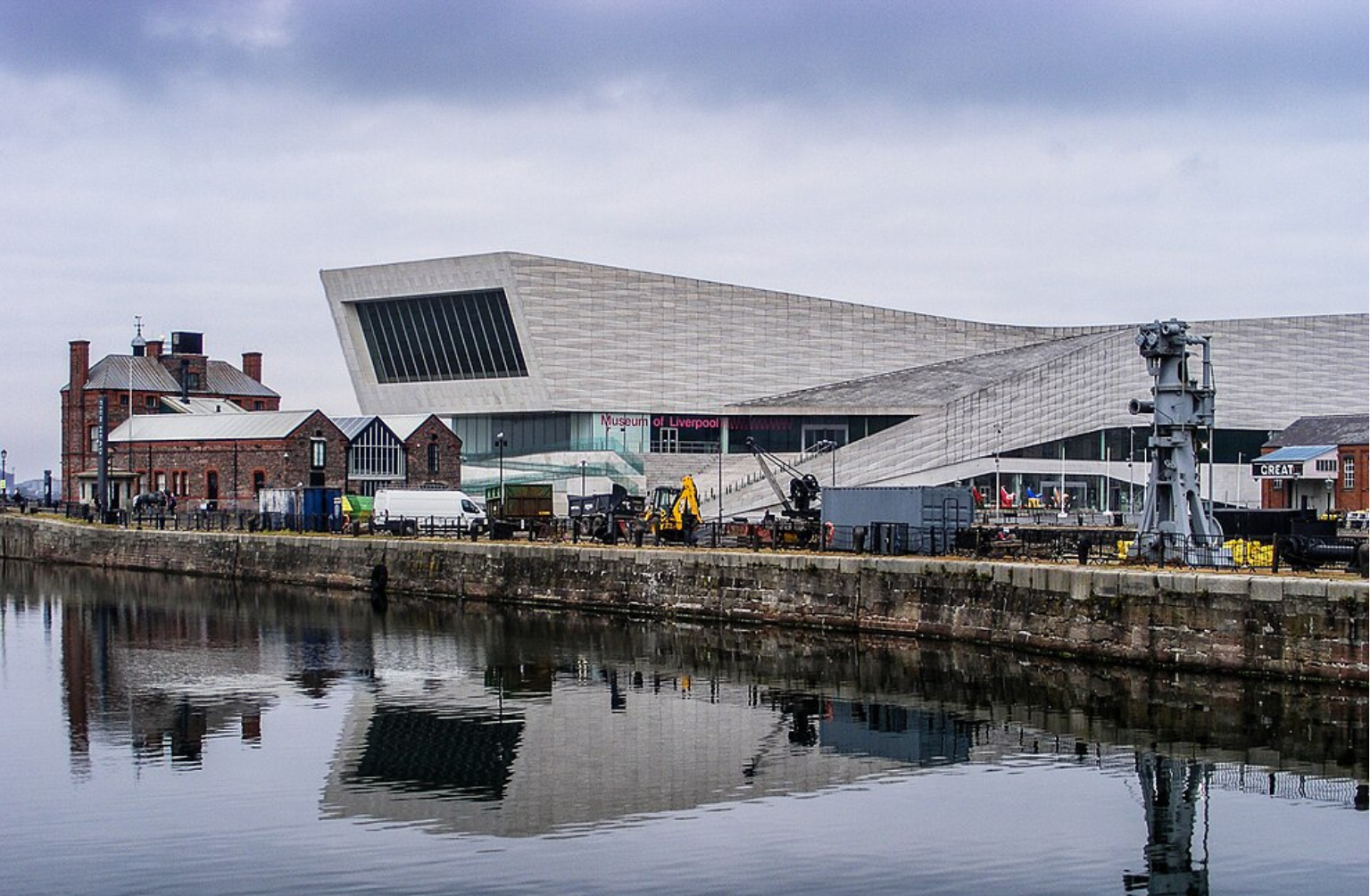
Canning Dock in Liverpool blends heritage with art as it becomes the stage for architectural and artist instalments.
Toolkit Interventions
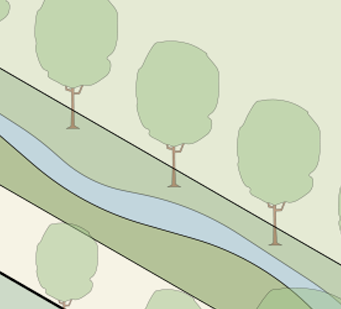
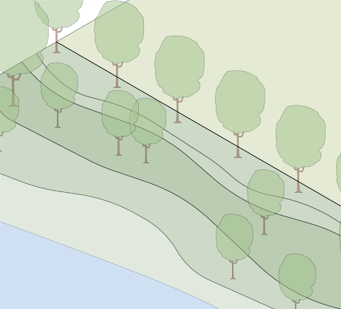
Sustainable drainage systems (SuDs) are an important element for urban developments. Areas of connected soil creates a resilient network of street trees and native planting that filters stormwater, reduces flood risk, increases habitat, and creates a welcoming environment.
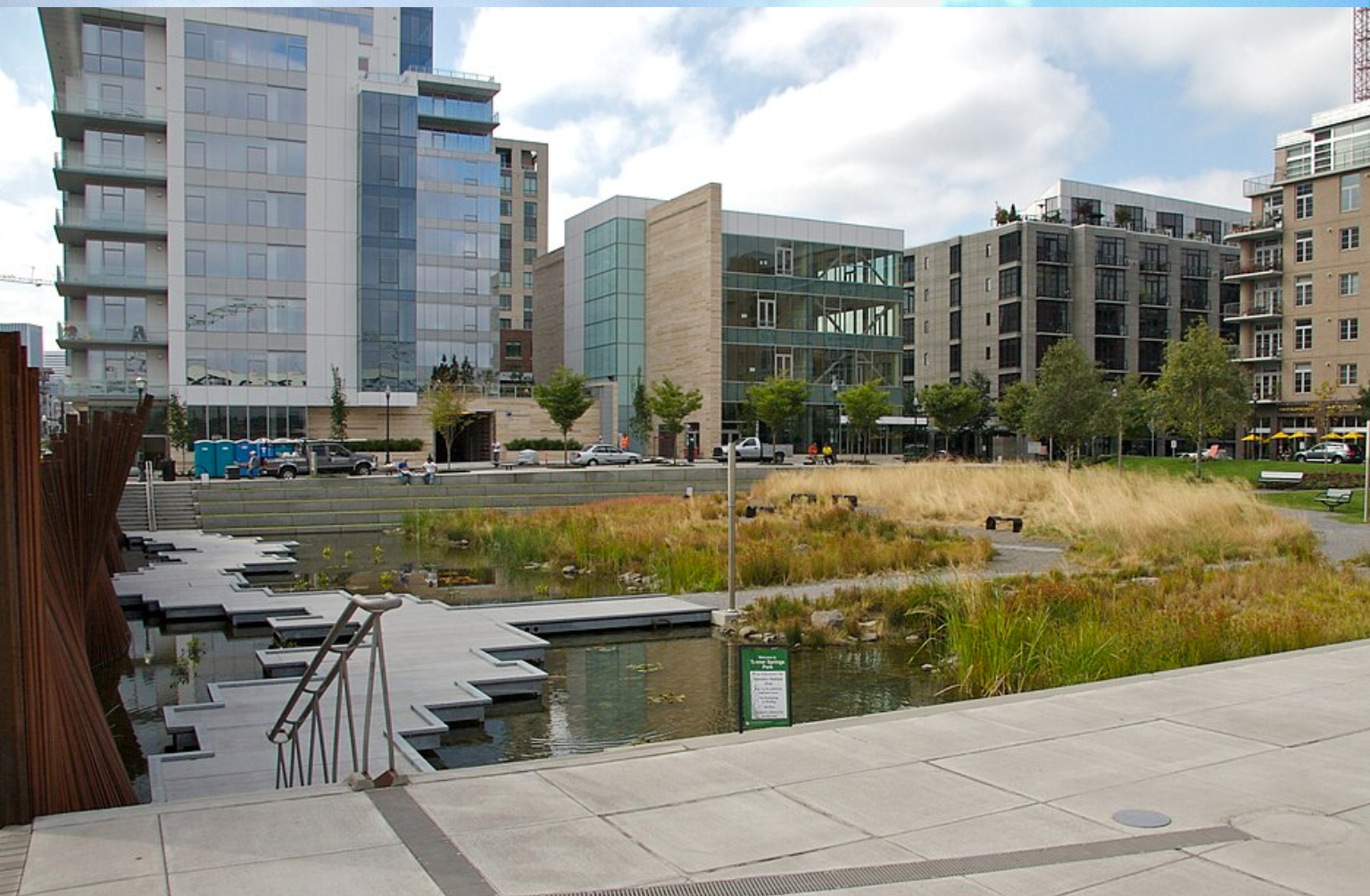
Tanner Springs successfully reconnects a post industrial site to its former natural wetland character. Combining surface water, art, and wetland planting, the landscape acts as a natural attenuation system, conveying stormwater run-off from neighbouring streets to feed the lake.
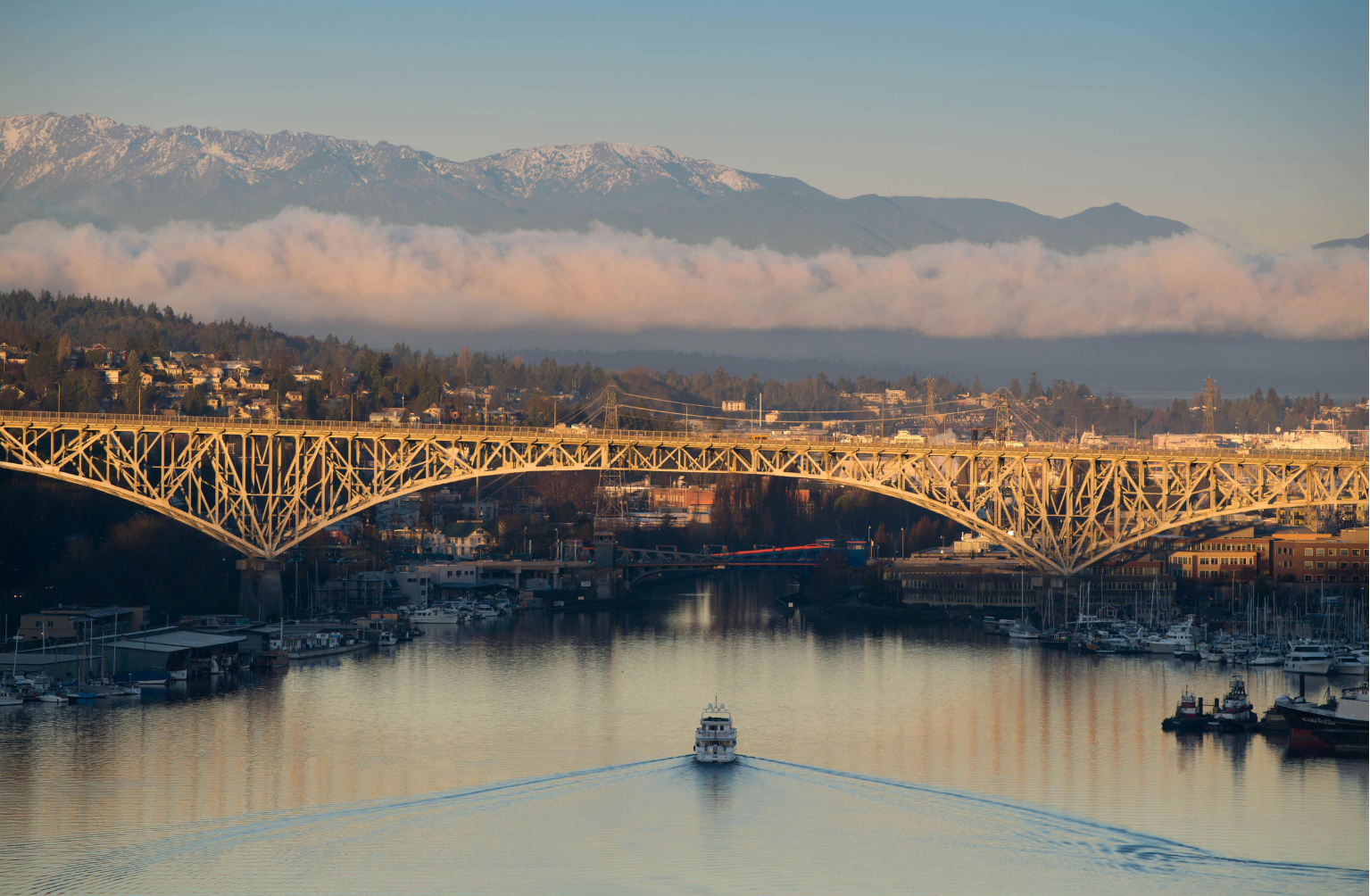
The Aurora Bridge Bio-swale is a retrofitted landscape which captures polluted surface run-off from the bridge and filters the water through a series of rain gardens before discharging the water back into the lake. The project now treats almost two million gallons of stormwater a year.
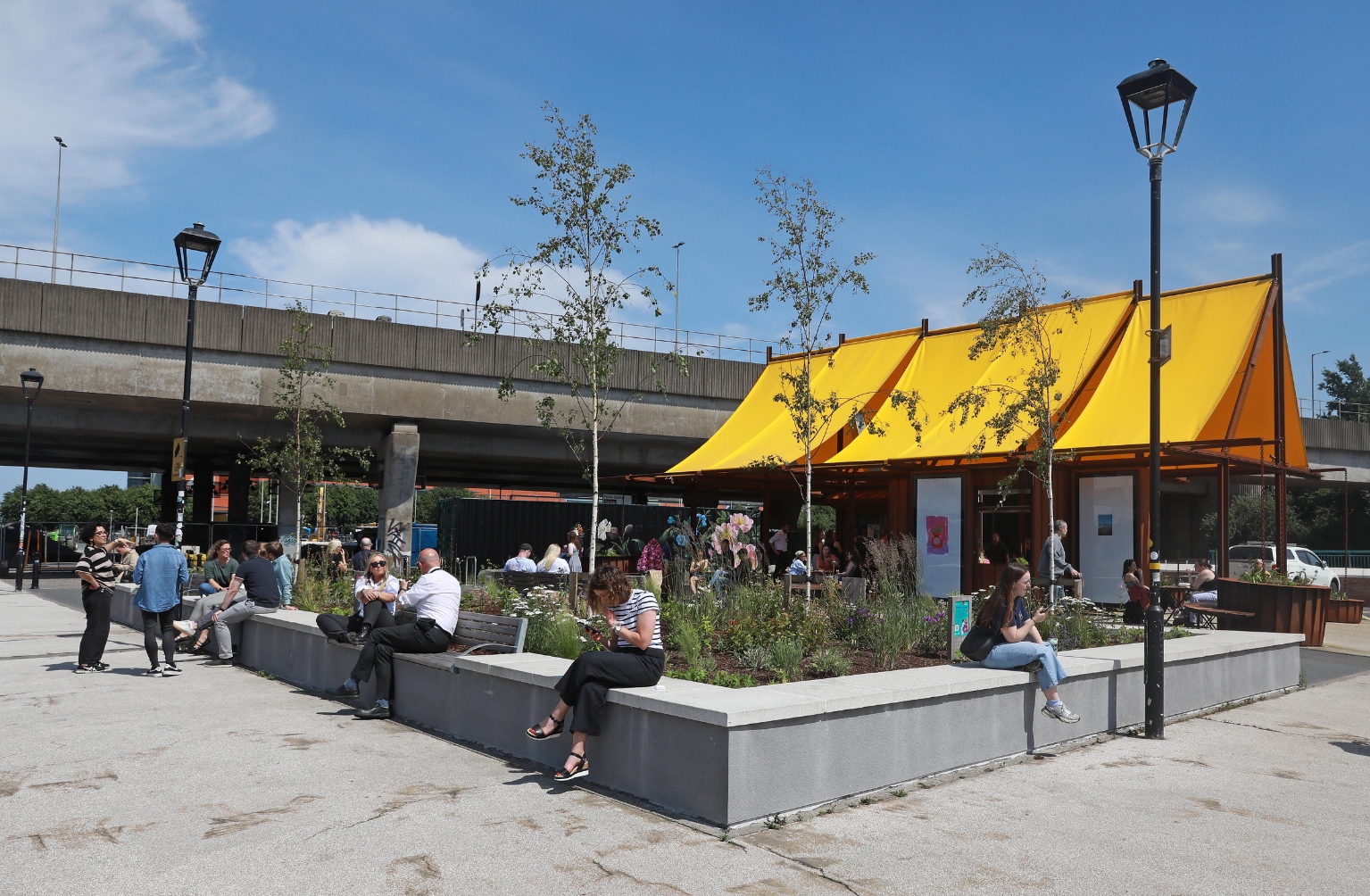
In addition to planting in an otherwise concrete area clever design features have been incorporated in the construction of the kiosk that contribute to SuDS. Runoff from the canopy discharges into planters via vertical steel chains. A rainwater collection tank located provides additional water for plants or for cleaning.
Toolkit Interventions
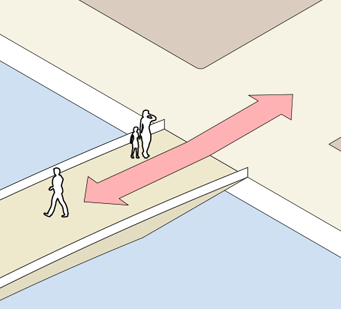
Bridges connect different geographical areas and the wider transit network, but they also serve as important social and cultural connectors and can help support active travel. Best practice bridge designs are welcoming, accessible, safe, well located and beautiful. Depending on location swing bridge designs will be necessary to maintain sailboat access to the marina.
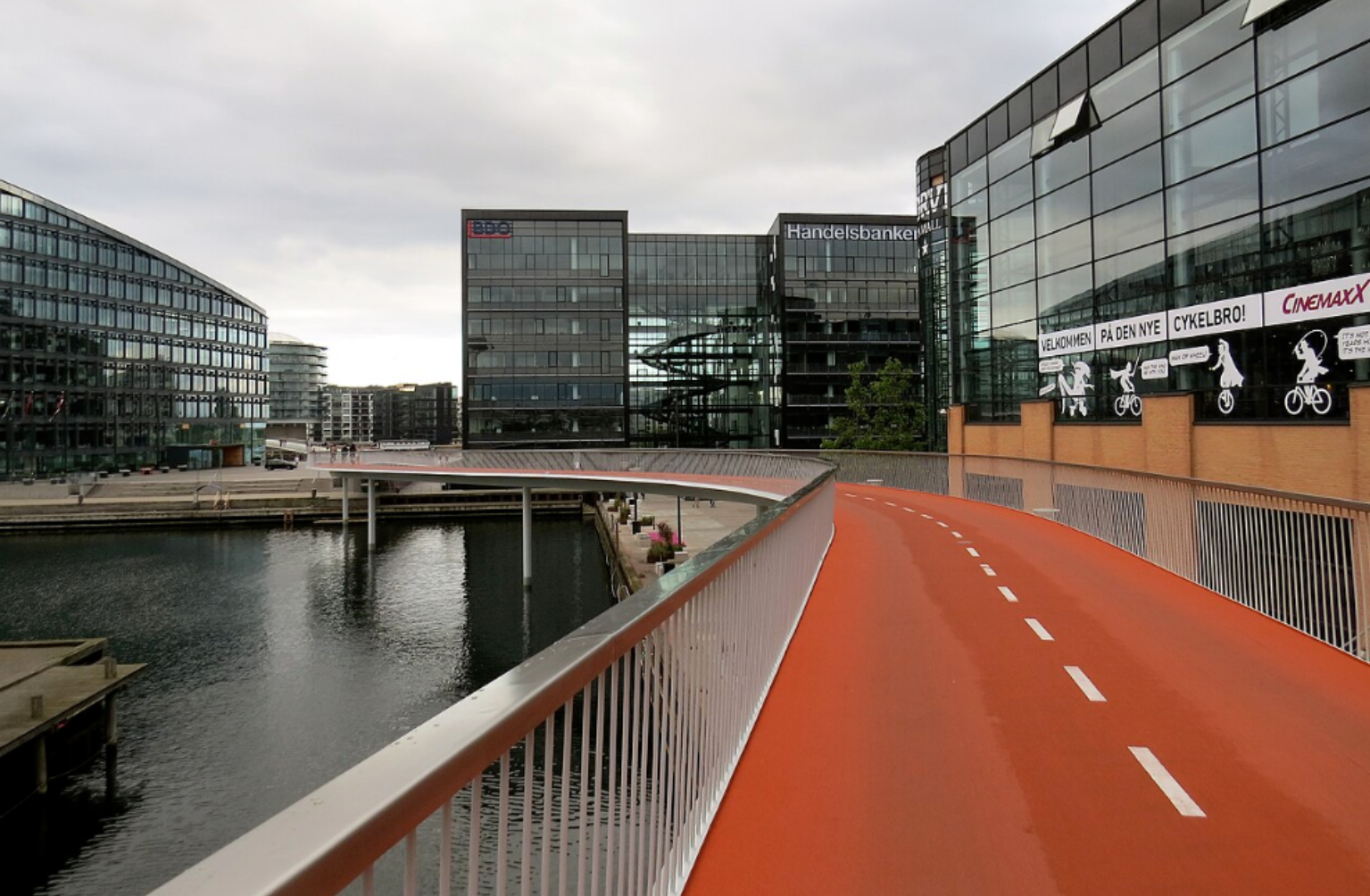
Raised above the ground plane, the cycle network in Copenhagen is connected with the Cykelslangen, a striking and functional piece of cycle infrastructure.
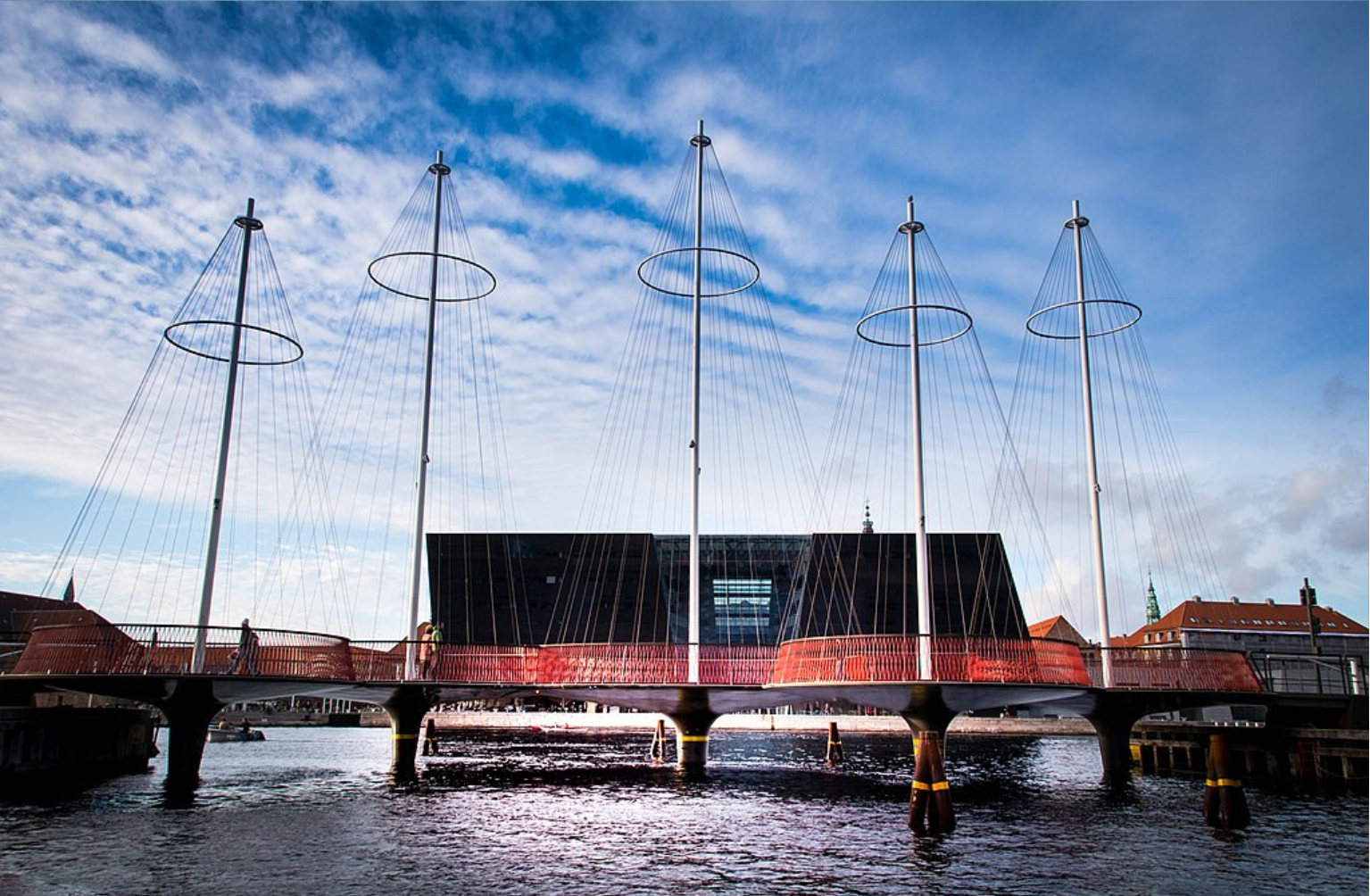
Circular platforms topped by tall masts make up a bridge for pedestrians and cyclists. Cirkelbroen is lit at night, and one section rotates to allow large boats to pass in and out of the canal.
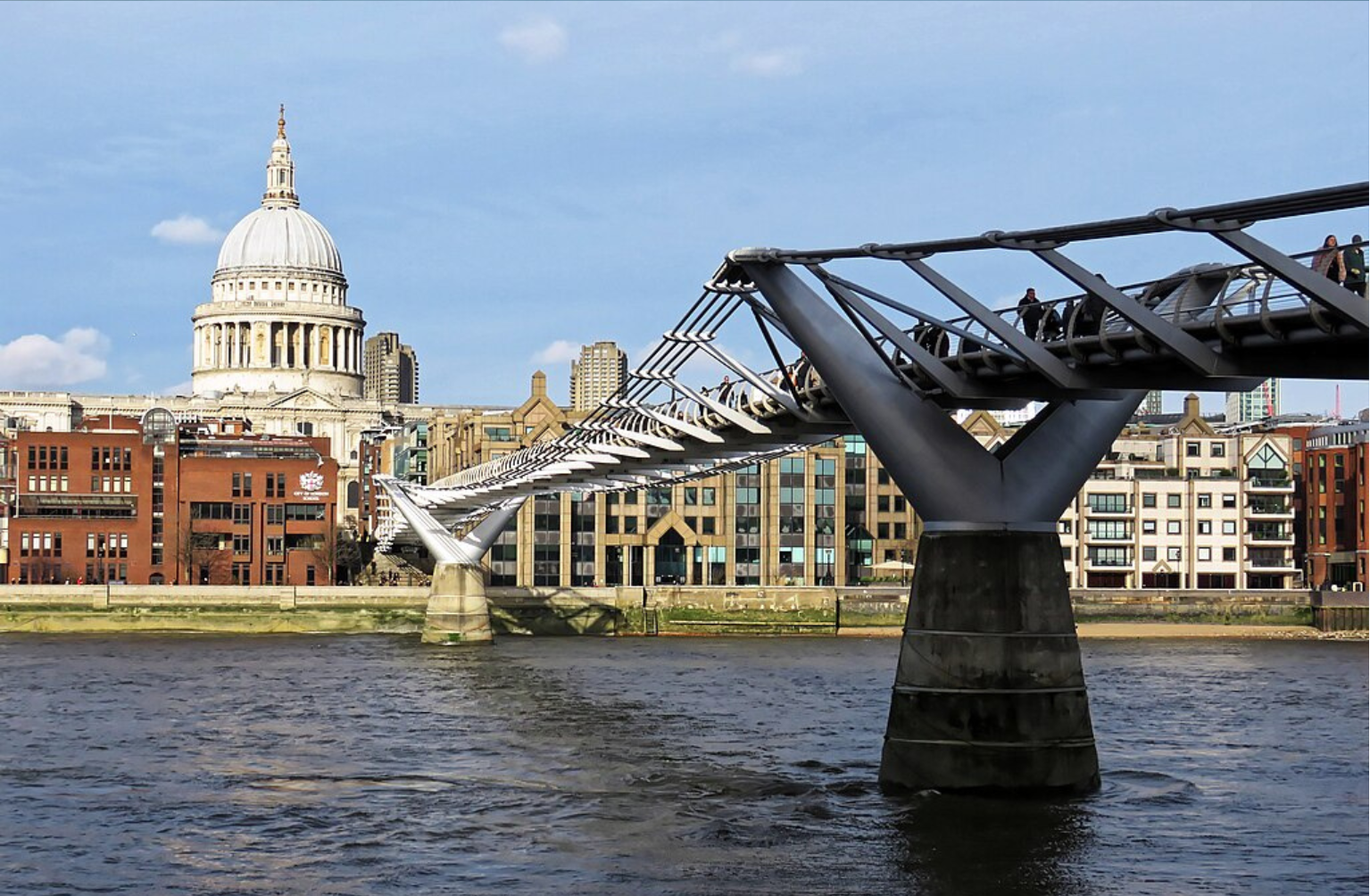
Millenium Bridge at St Paul’s is a key piece of active travel infrastructure in central London, providing a safe and attractive route for people walking and cycling across the Thames.
Toolkit Interventions
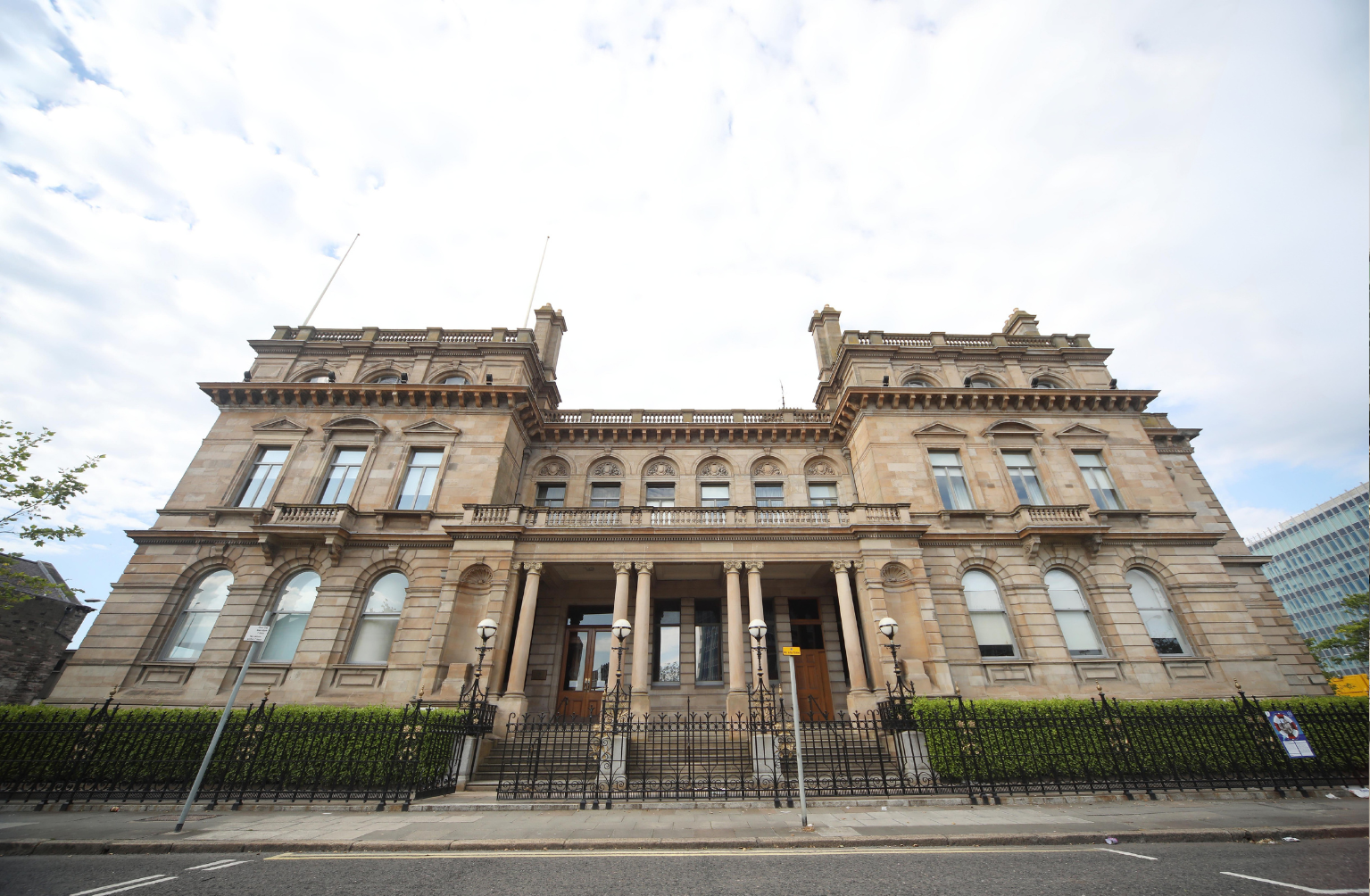
Waterfronts can offer some of the most historic spaces and privileged development locations in a city. Belfast’s unique maritime heritage provides an opportunity to reflect and celebrate our maritime stories, blending with contemporary developments to achieve an iconic waterfront destination that transforms the future of our city, whilst embracing the past. Over 118 heritage sites have been identified along Belfast Historic Waterfront – every opportunity must be taken to protect, preserve and uncover the Belfast Maritime Story.
Toolkit Interventions
Soft living shorelines reintroduce native flora and fauna to waterfronts, providing an environmentally functional and resilient edge condition. Rewilding where possible will increase overall biodiversity, improve air and water quality whilst affording increased access to the water’s edge and wildlife viewing opportunities.
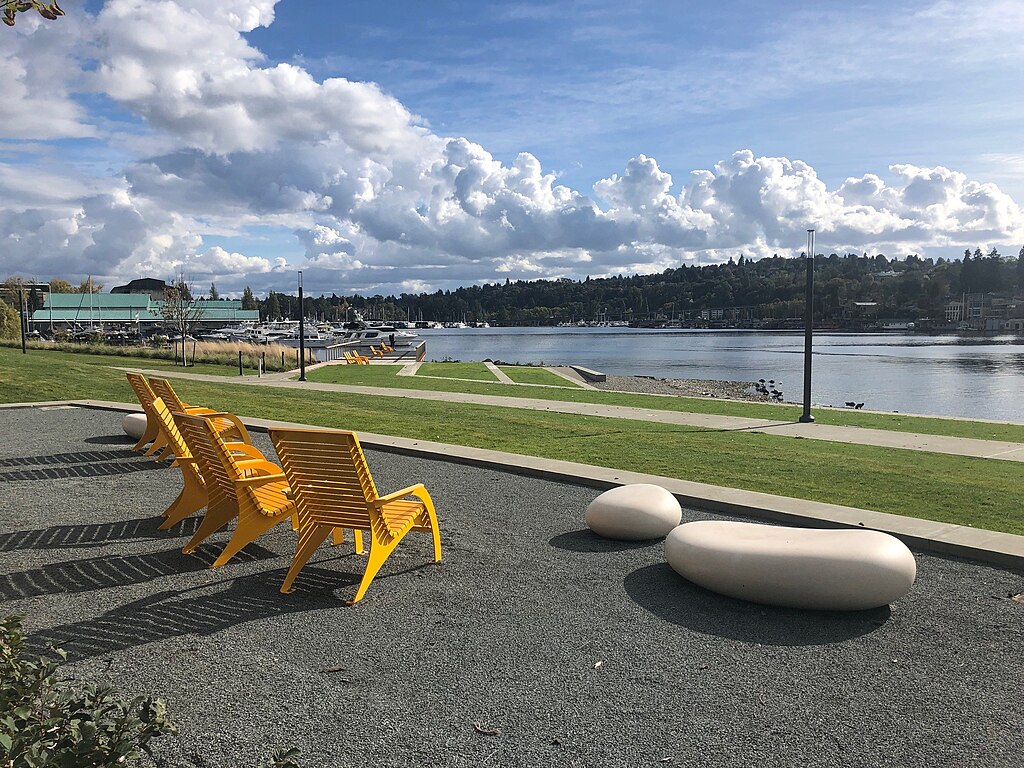
Previously the site of the campus police station, Fritz Hedges Park recreated a natural shoreline loved by students, which includes a beach, pier, and boat launch
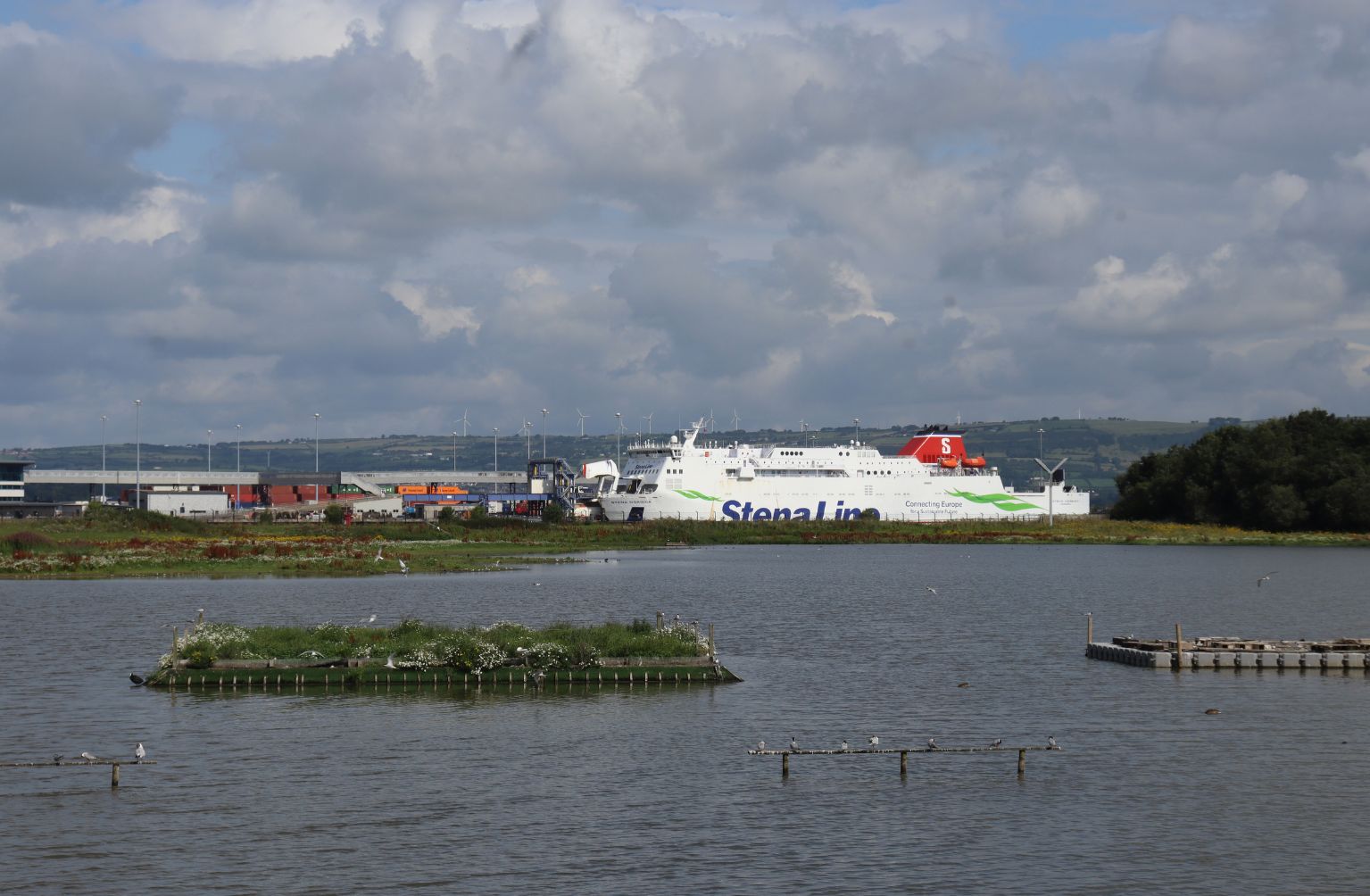
Located in the heart of Belfast Harbour, RSPB WoW is home to hundreds of species of birds and other wildlife, including Lapwings, Terns, Gulls and Wild Rabbits.
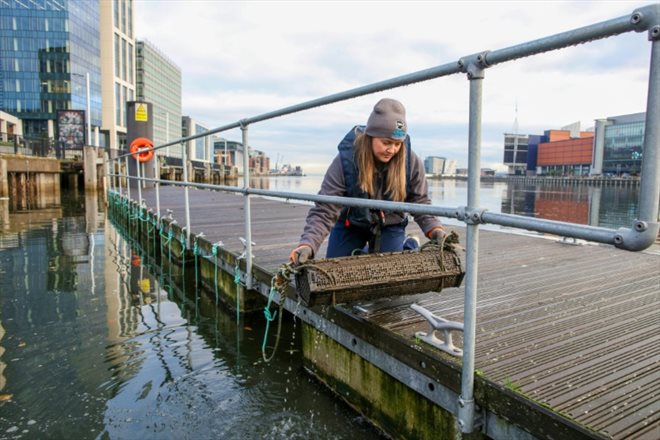
Belfast Harbour, in partnership with Ulster Wildlife, has installed an oyster nursery in Belfast port to help restore the native population of the species, improve water quality and boost marine biodiversity.
Toolkit Interventions
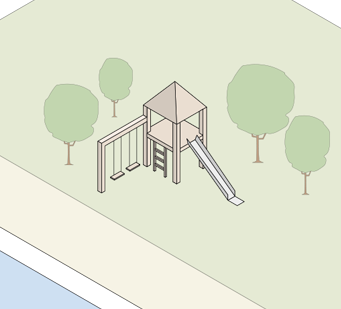
Through a range of recreational options, a diverse group of users are attracted, and thereby a well-functioning urban setting occurs. These options could involve much needed play provision for children and families, supported with opportunities for people to sit and relax.
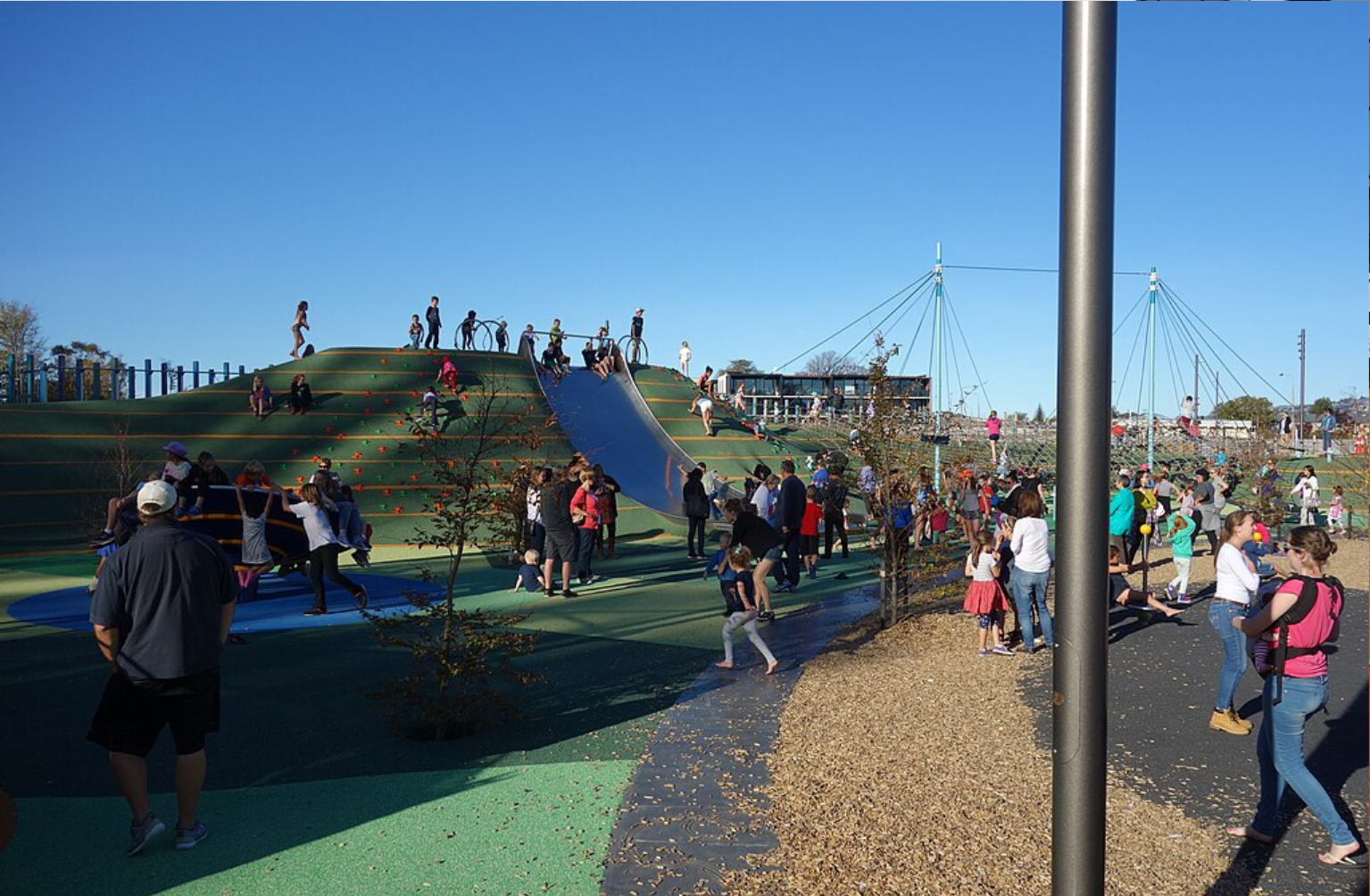
A vibrant hub of fun and imagination. Located in the heart of the Central City along the Avon River, this iconic playground is celebrated as one of the largest in the Southern Hemisphere.
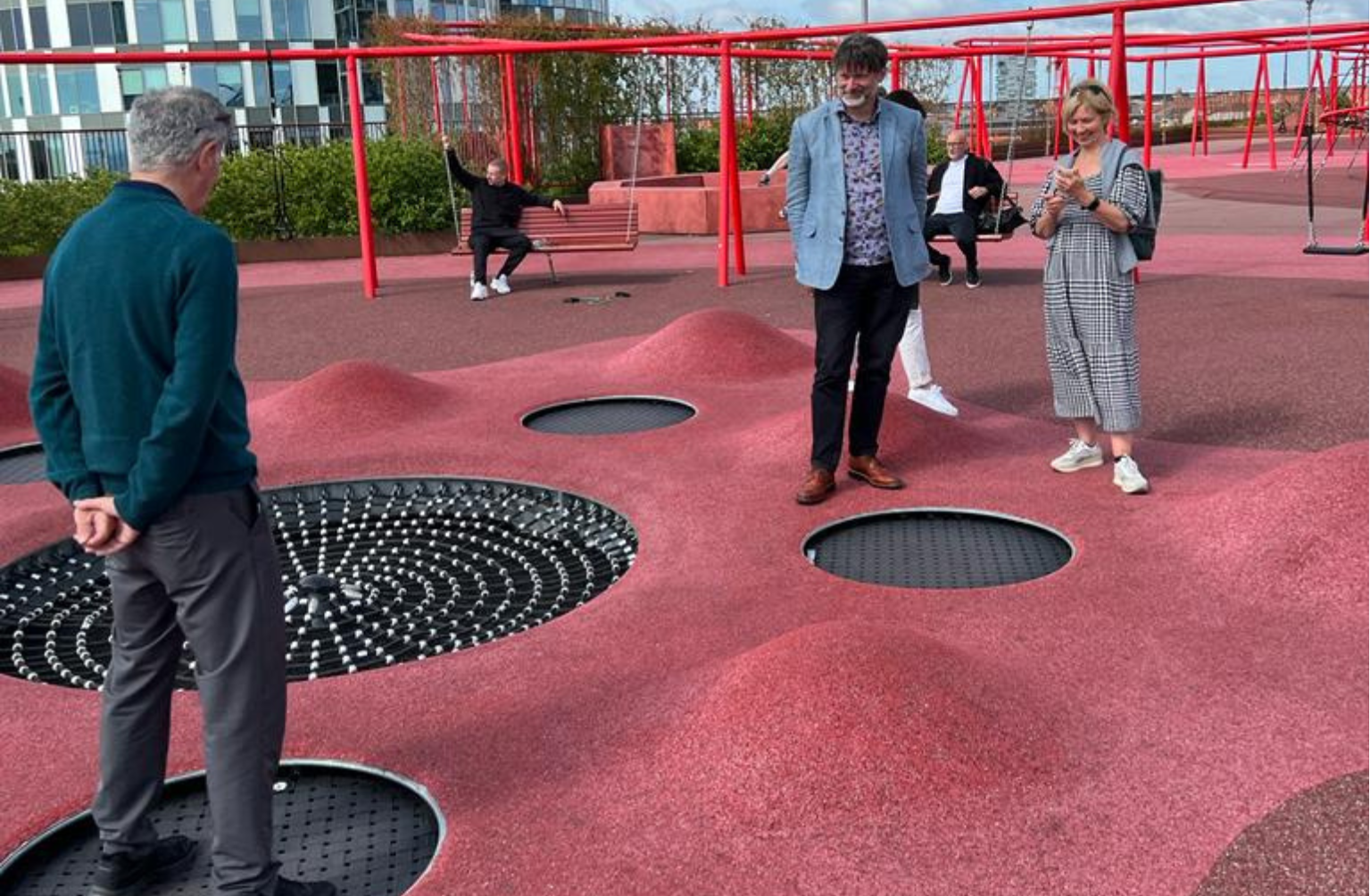
At Konditaget Lüders, high up above the harbourfront in Nordhavn, you can work out and play with a view of the city and harbour on the roof of a multi-storey car park.
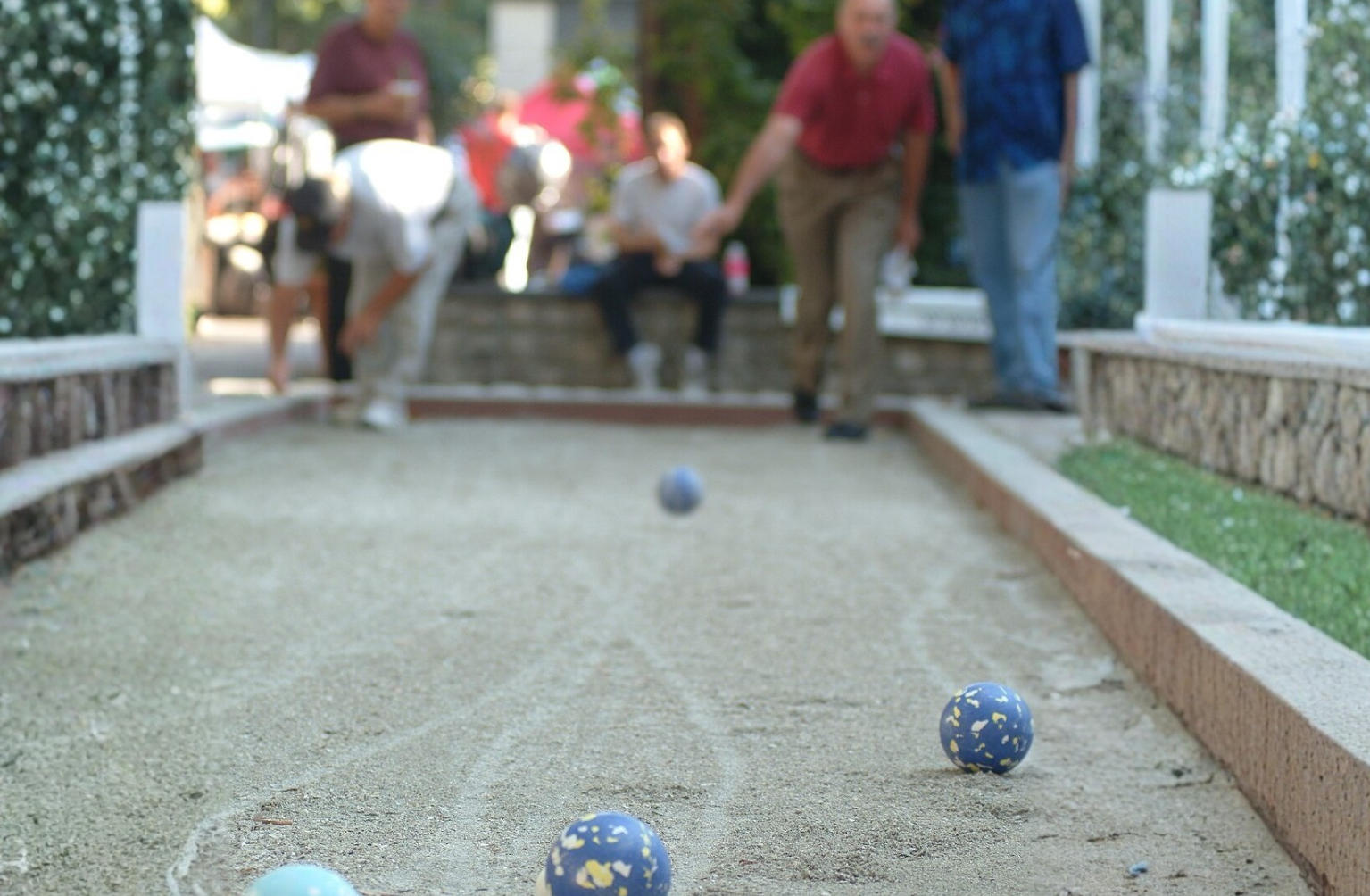
In the heart of the historic Pioneer Square district, trees provide shade; park furniture and nearby outdoor café areas provide places to relax; and bocce and ping pong tables allow for some recreation.
Toolkit Interventions
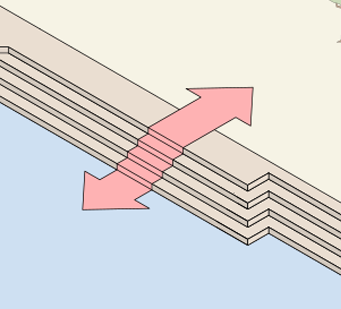
Hard edges are an integral part of waterfront design but require careful consideration of proportions and planning. A more creative stepped approach would facilitate a playful and graceful interaction with the water’s edge while addressing people’s desire to be close to the water.
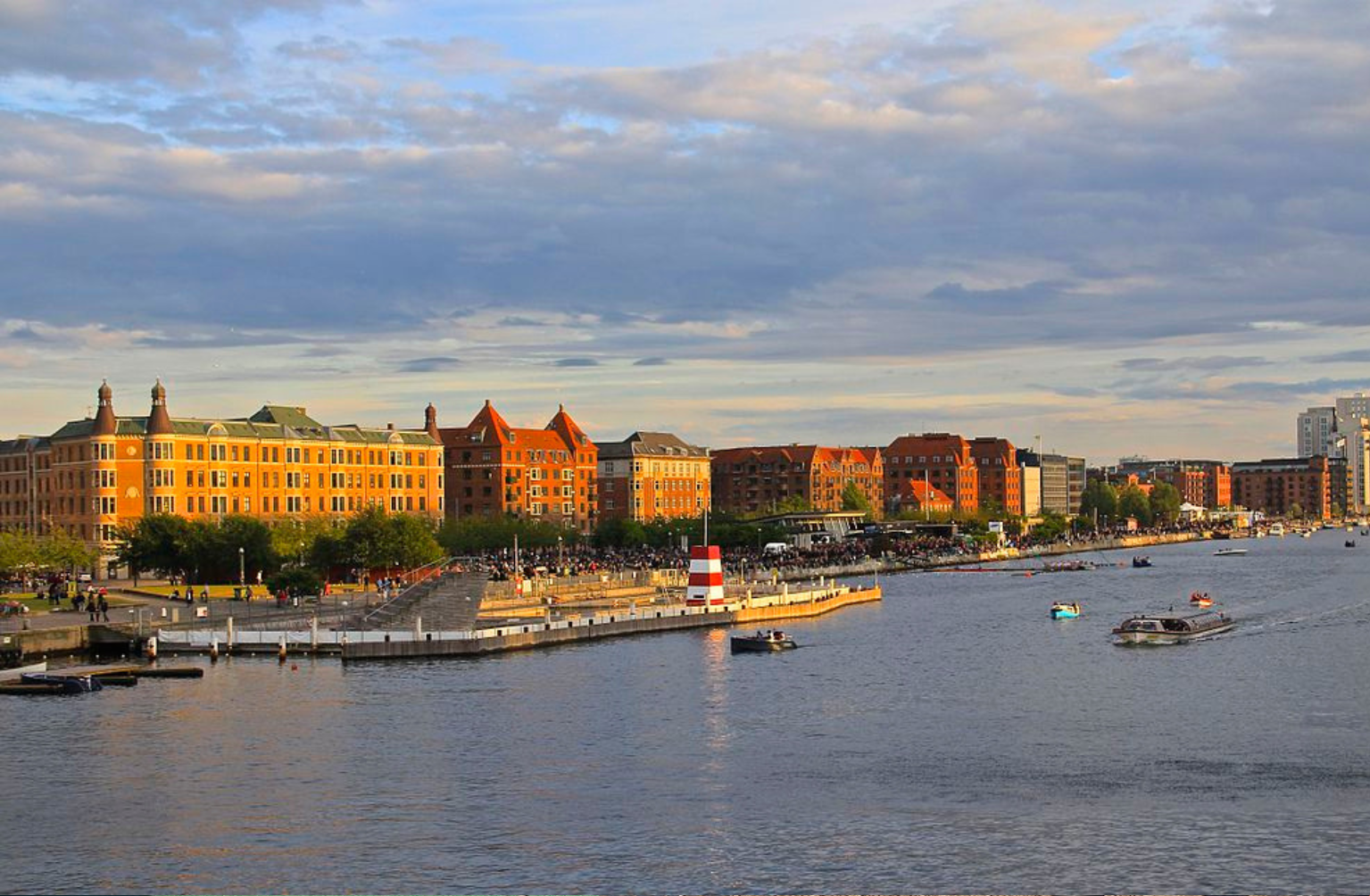
Islands Brygge in Copenhagen includes stepped piers and a floating structure which contains a harbour bath, now a very popular destination with both visitors and locals.
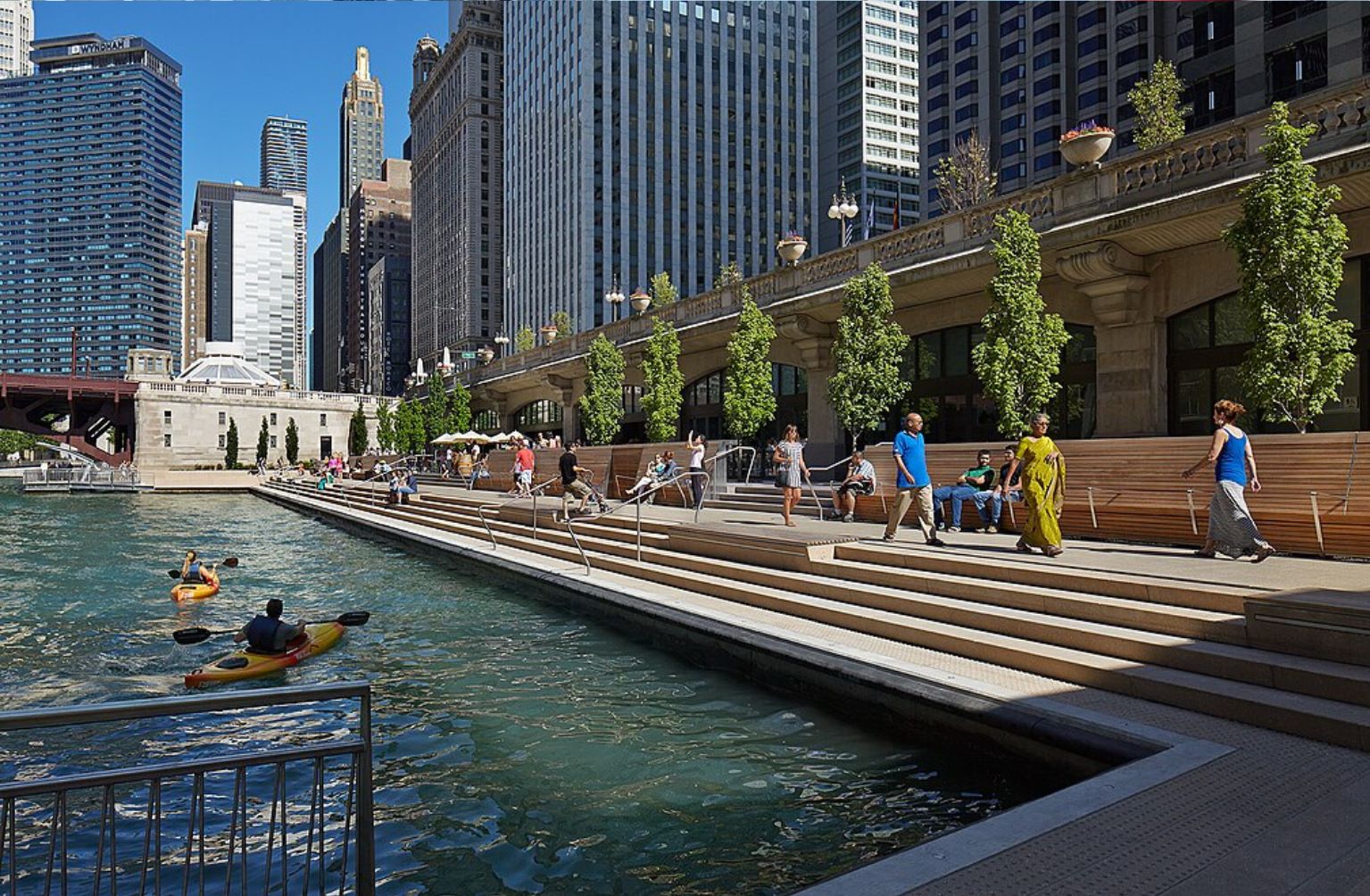
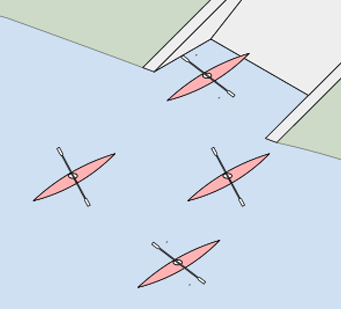
The Chicago Riverfront renovation includes waterfront cafes as well as boat rentals and has become a popular location for urban kayaking.
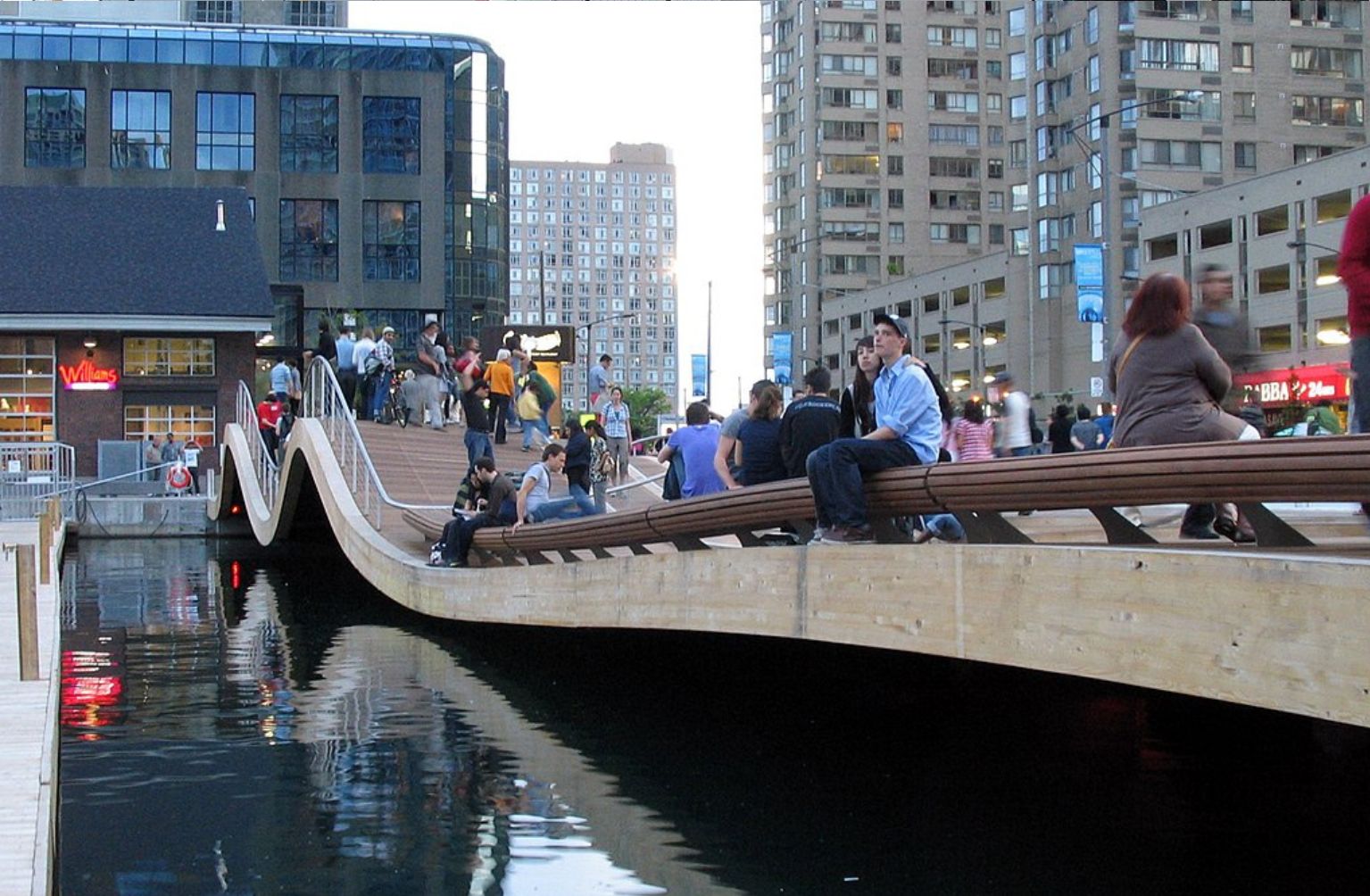
A series of wooden structures constructed on the waterfront of Toronto, Canada, as part of the revitalisation of the central waterfront. Softening urban edges, encouraging lingering, and making the shoreline feel accessible.
Toolkit Interventions
Access to water-based transport for commuting, tourism, and recreation greatly expands the public realm. Investment in public floating pontoons and jetties with boat docking capabilities can be employed to soften and animate the water’s edge. With cultural programming and safe access, the water’s edge can be an active and vibrant extension of the public realm, animated by water taxis, small boats, canoes, and other floating structures.
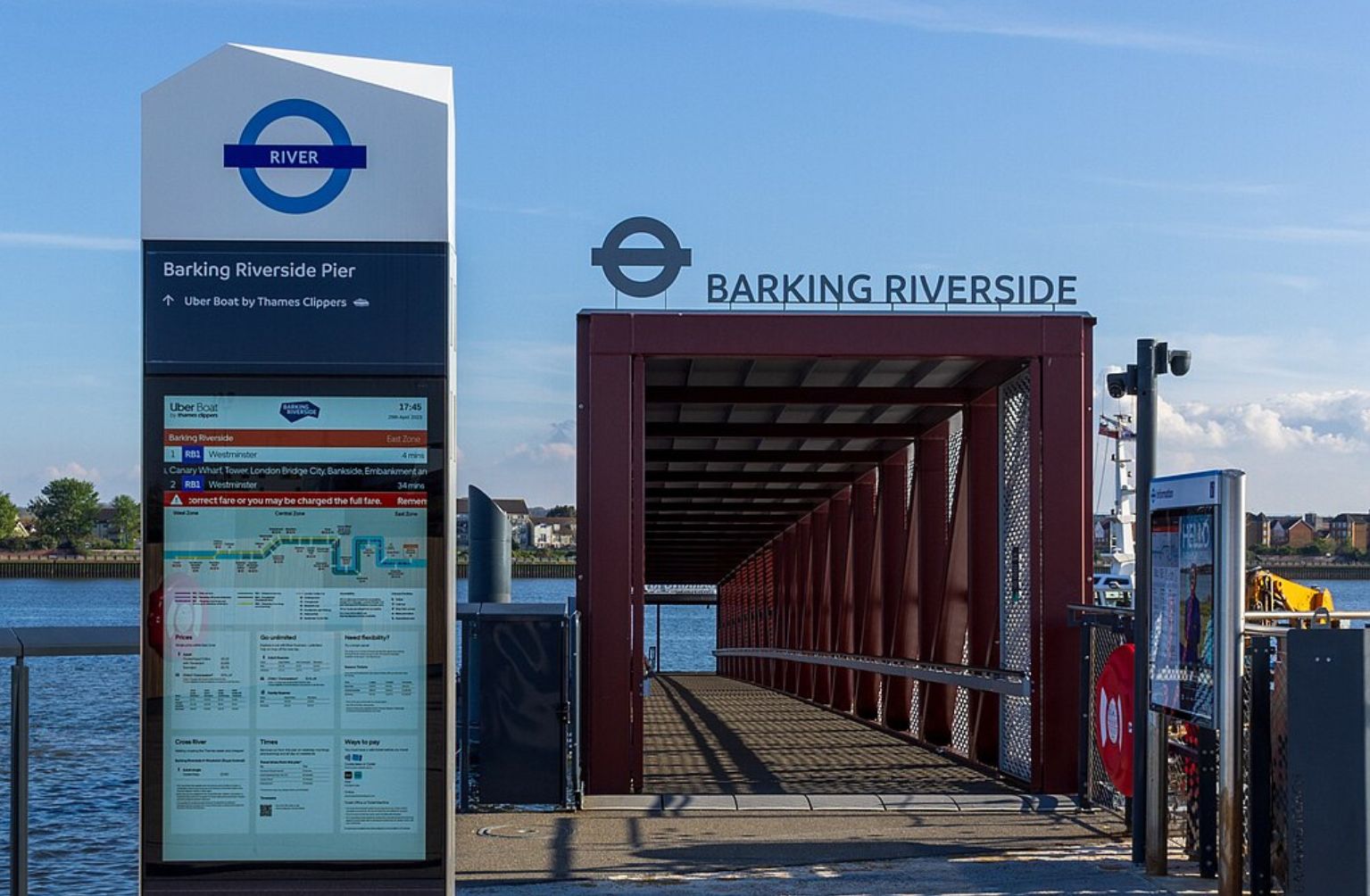
A modern passenger pier on the River Thames in East London. It provides Uber Boat by Thames Clippers River Bus connections to central London and links with nearby Overground and bus routes.
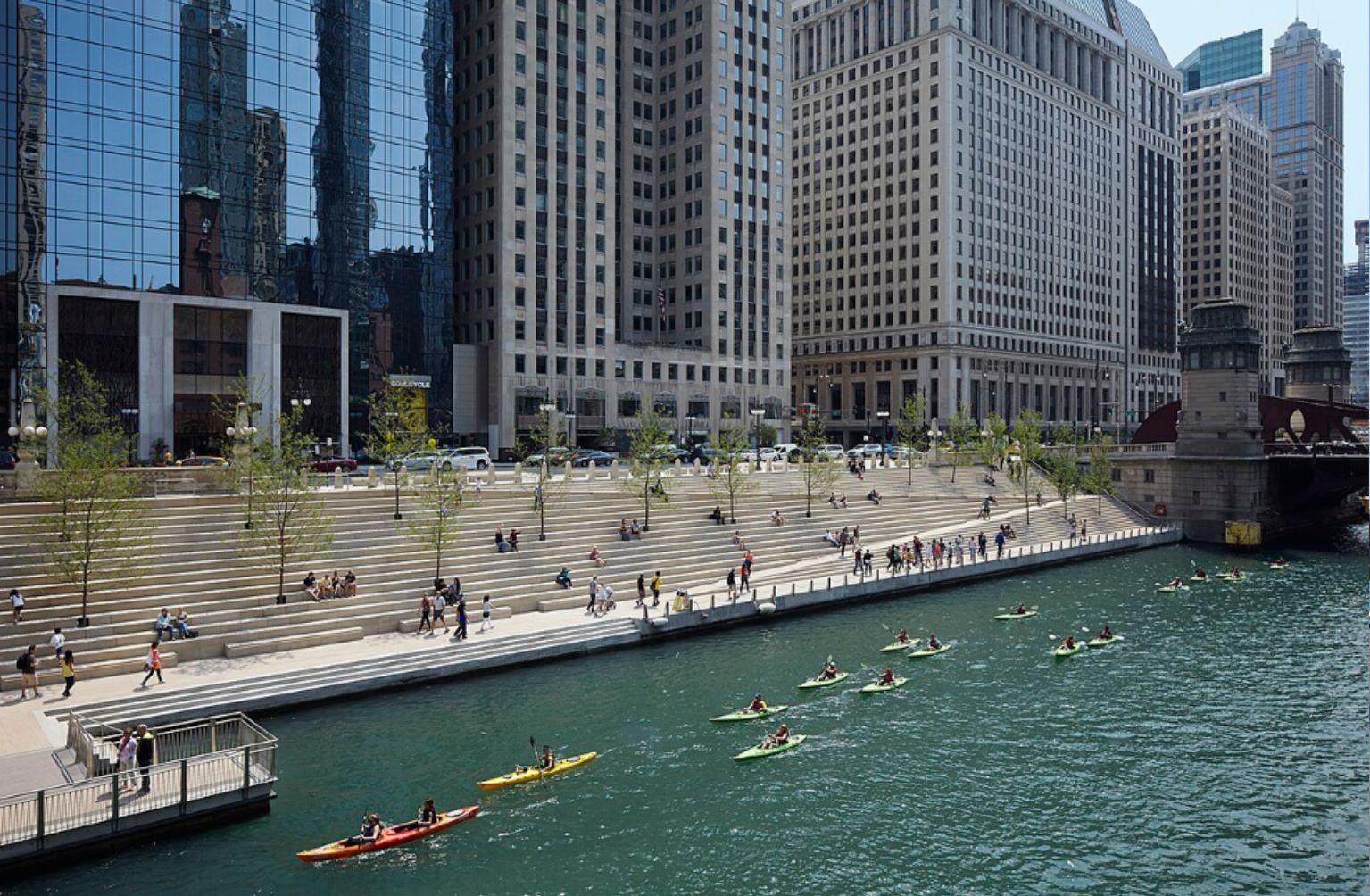
The Chicago Riverwalk offers a variety of floating docks that support water taxis and recreation. The Riverwalk reconnects downtown Chicago to the river and makes the water a visible, accessible part of urban life.
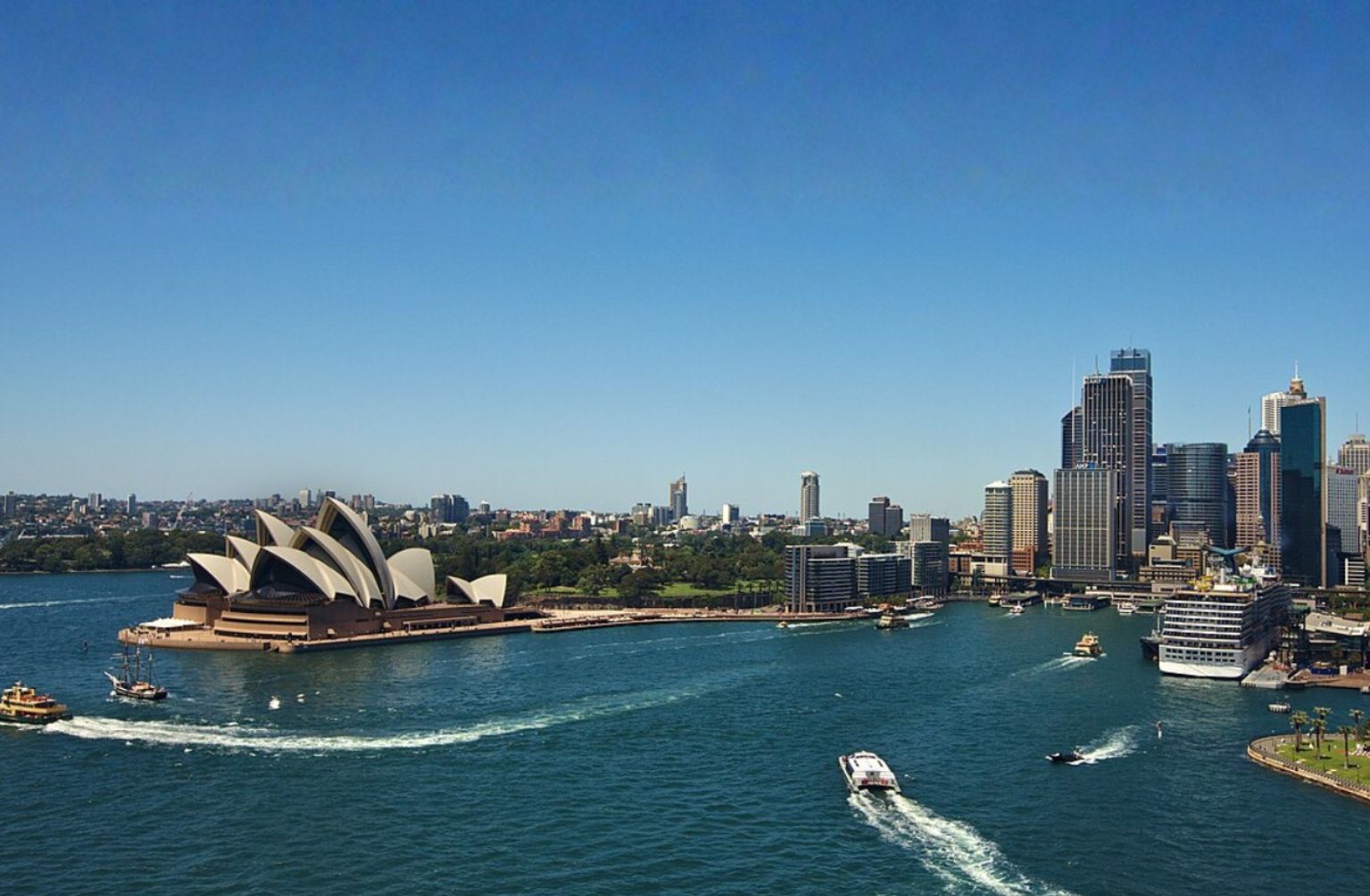
The Circular Quay Wharves in Sydney serve as the city’s main ferry hub, animating the waterfront with ferries, water taxis, and pedestrians.
Toolkit Interventions
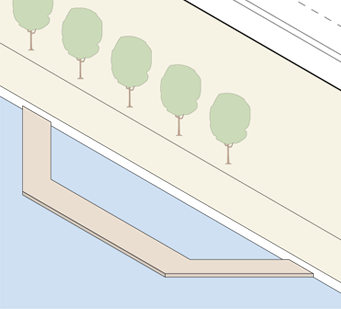
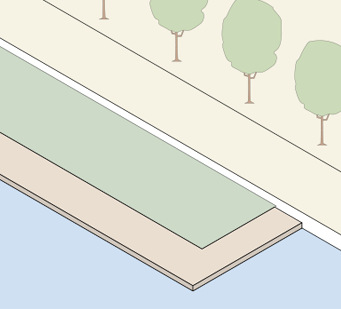
With pressure on urban land increasing, extending the waterfront and building out can be an option to ensure that a generous and proportionate amount of space is afforded to the public realm. Interventions may include widening the promenade with a cantilevered or piled linear deck providing opportunities for meandering and seating.
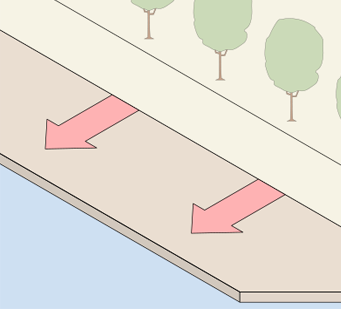
The promenade and artificial beach breaks the straight harbour wall and steps down to the waterfront. The extended area provides a safe area to relax and play away from pedestrians and cyclists.
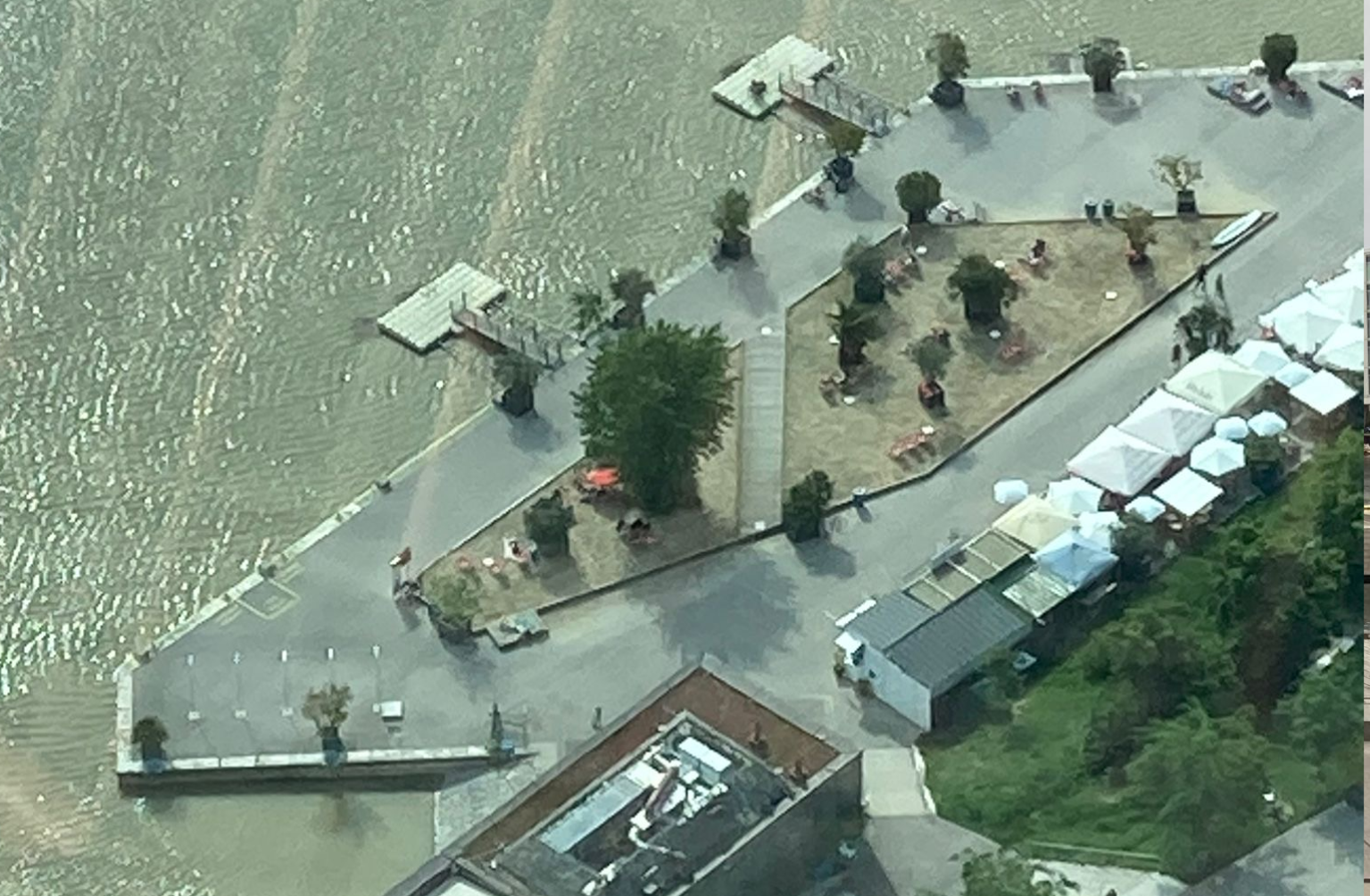
An extended promenade away from the main boardwalk along the River Danube provides space for relaxing and water activities. Through this intervention conflict between movement and relaxation is reduced.
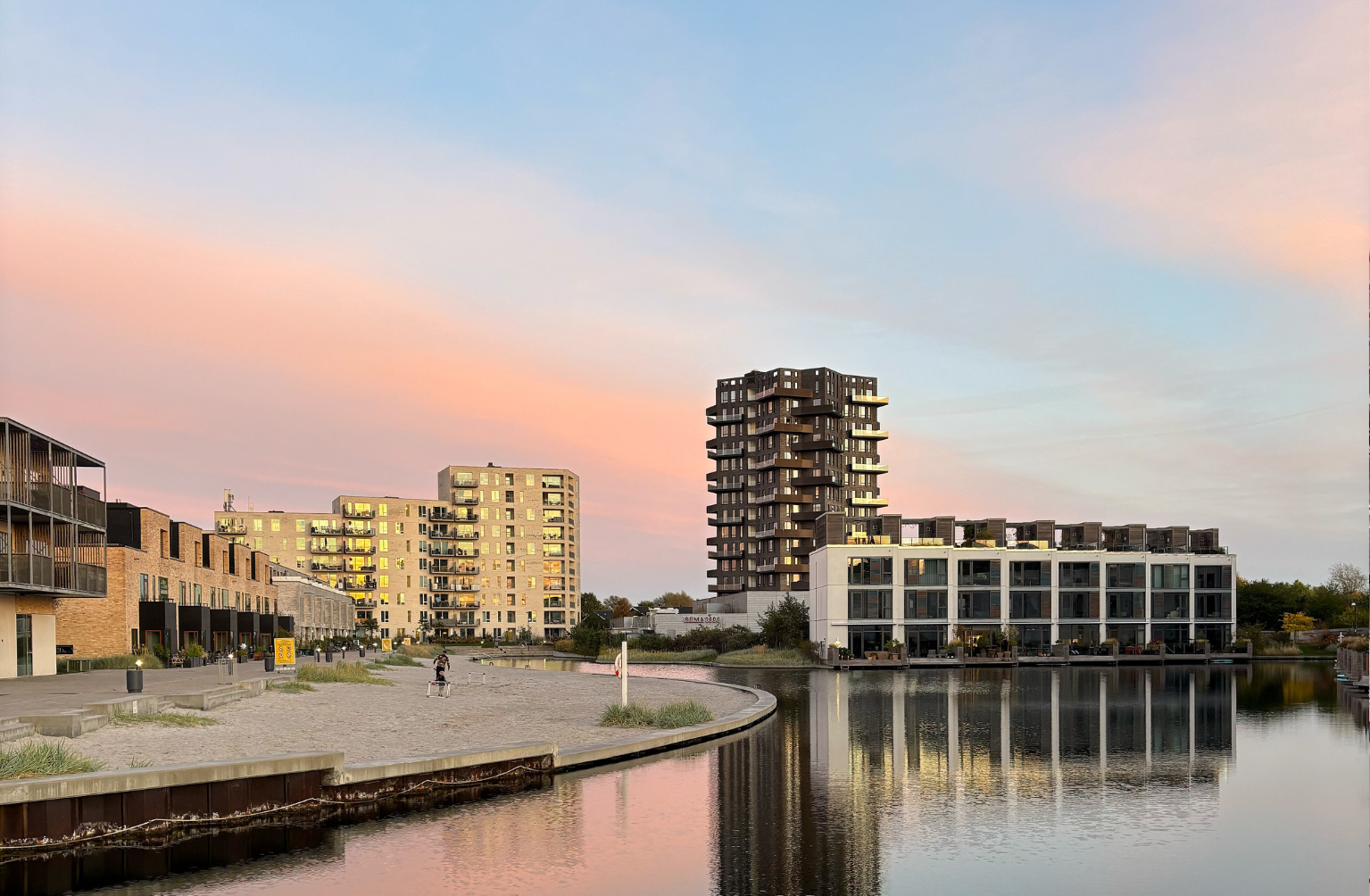
An extended boardwalk runs along the front of apartments that face on to the waterfront giving space for pedestrians and cyclists as well as a stepped area for people to sit and relax or sunbathe on the promenade during the summer months.
Toolkit Interventions
Floating boardwalks can be used to soften and animate the water’s edge adding an immersive and playful waterfront experience. Designed to move with the Lagan’s tidal range visitors can experience a stable and enjoyable pathway that gets them closer to the water enabling a greater connection with nature.
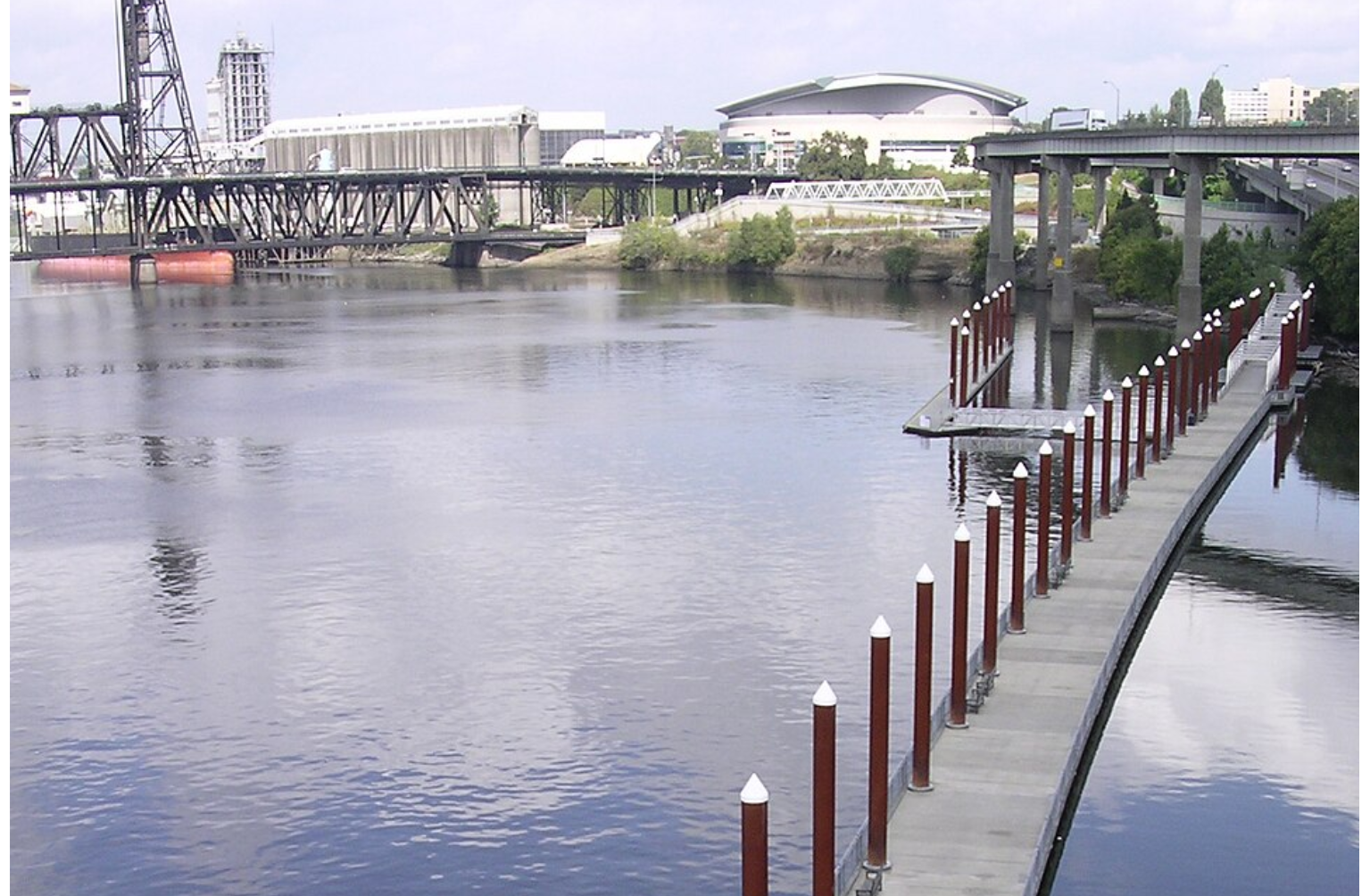
The floating walkway and public dock of the Eastbank Esplanade on the Willamette River in Portland, Oregon. The Rose Garden Arena is at the top and the Steel Bridge is to the left.
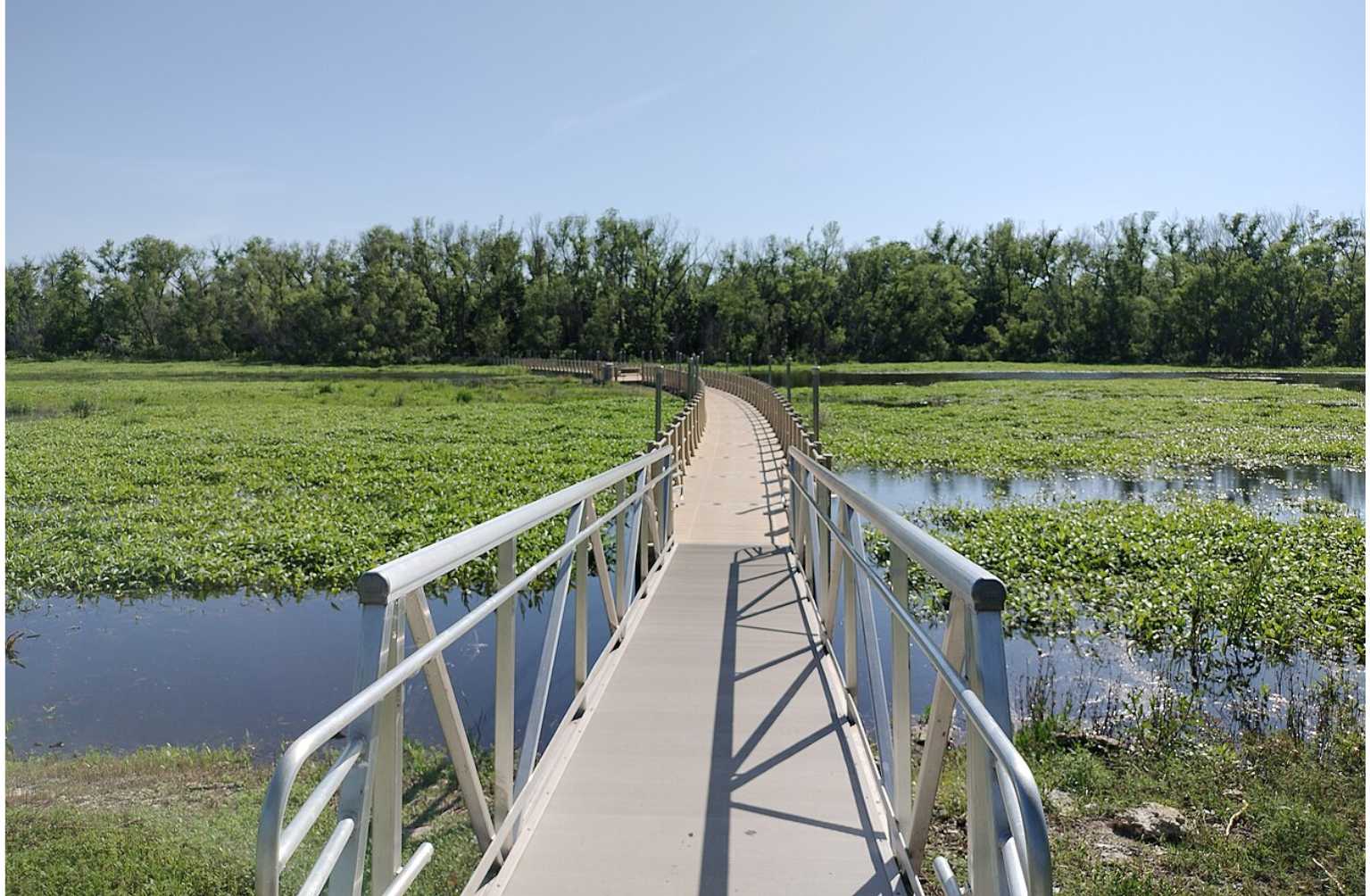
Lake Weatherford floating boardwalk, Weatherford, Texas. The boardwalk is over 4,300 feet long and was installed by the city to improve lake use during the dry season
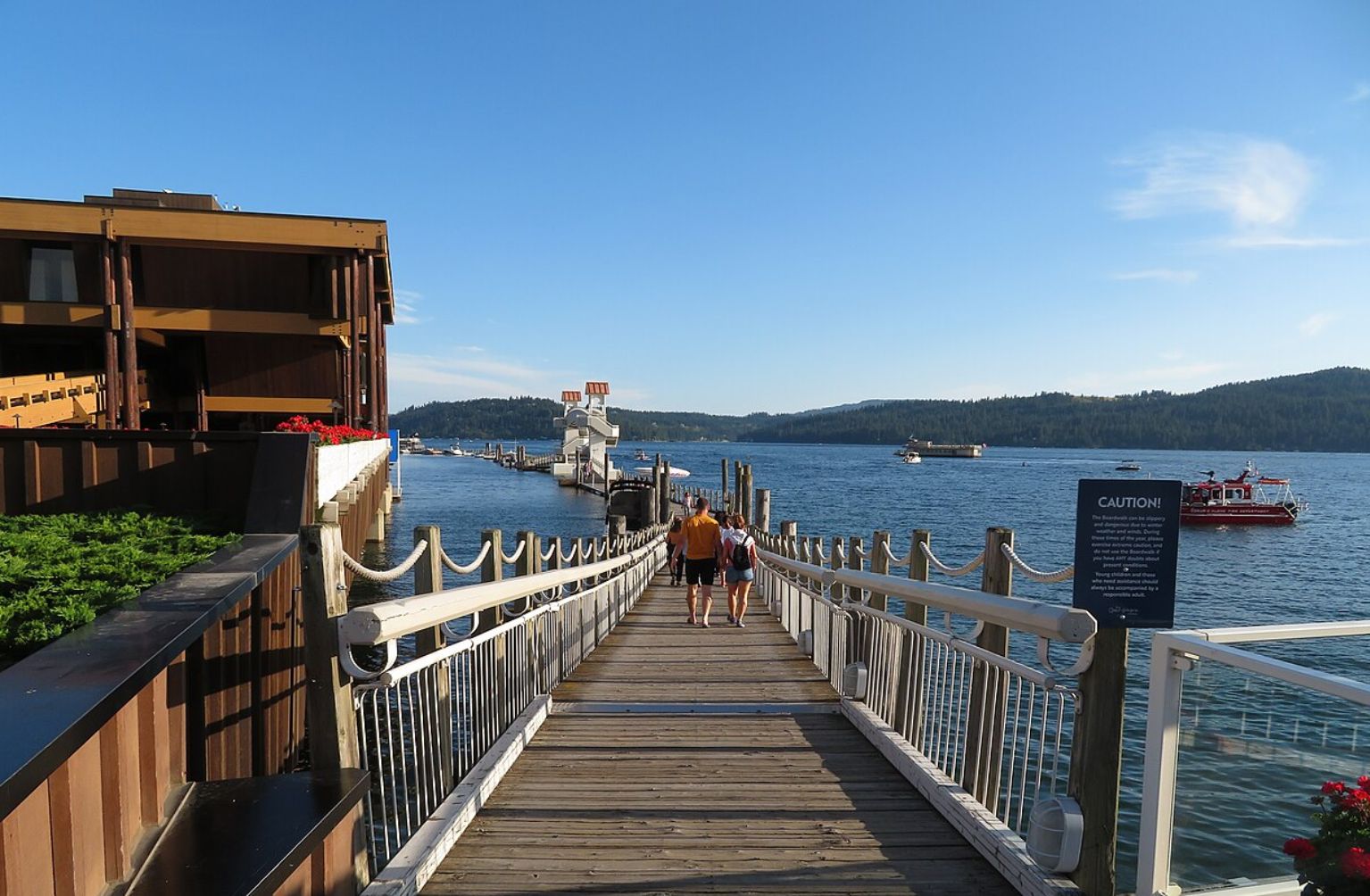
One of the world’s longest floating boardwalks. Centrally located in Downtown Coeur d’Alene, this floating boardwalk offers a special experience for any individual or family. The boardwalk is 3,300-foot (nearly 3/4 mile) long and 12-foot wide.
Toolkit Interventions
Floating wetlands have been successfully implemented into ecological rehabilitation projects in many ports and harbours worldwide. Such interventions provide visual interest, a softening of the water’s edge with minimal hard engineering works required and improve the biodiversity of what typically is a harsh environment.
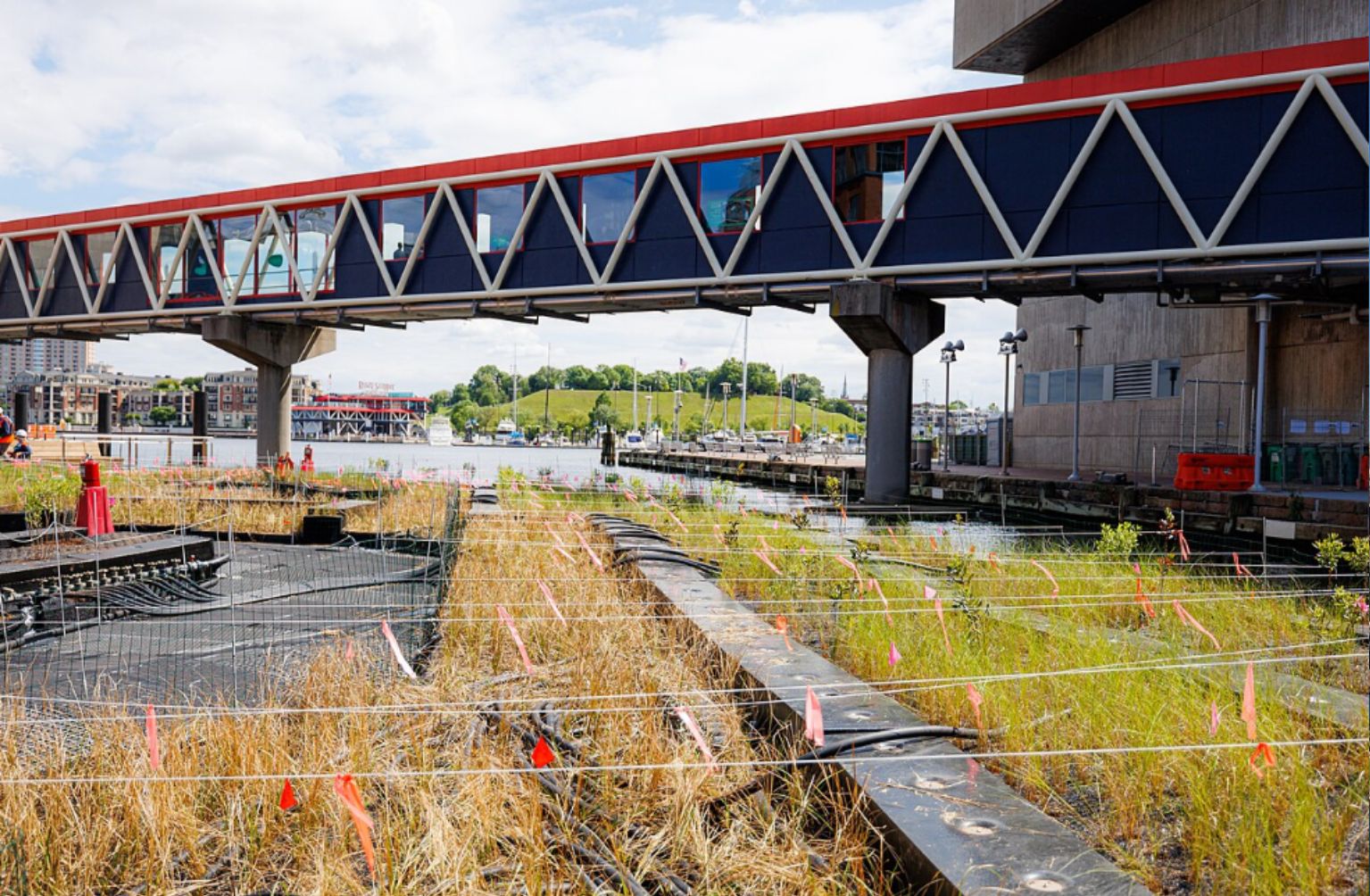
10,000-square-foot artificial salt marsh designed to improve water quality and restore native ecosystems while providing an educational experience for visitors.
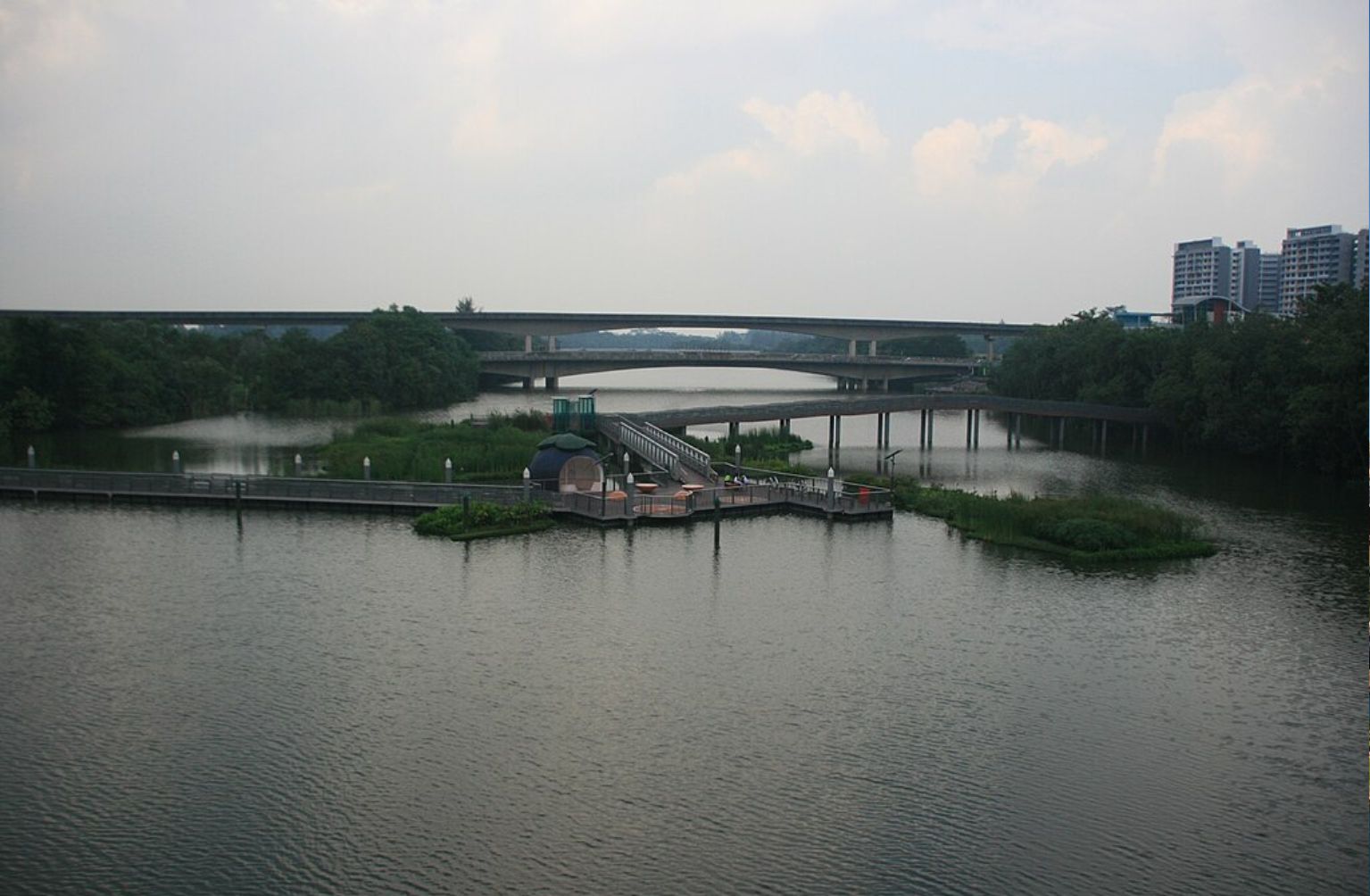
The Sengkang Floating Wetland in Punggol Reservoir helps improve the water quality and provides a natural habitat for birds and fishes. Boardwalks bring people closer to enjoy the scenic views and learn about the wetland ecosystem.
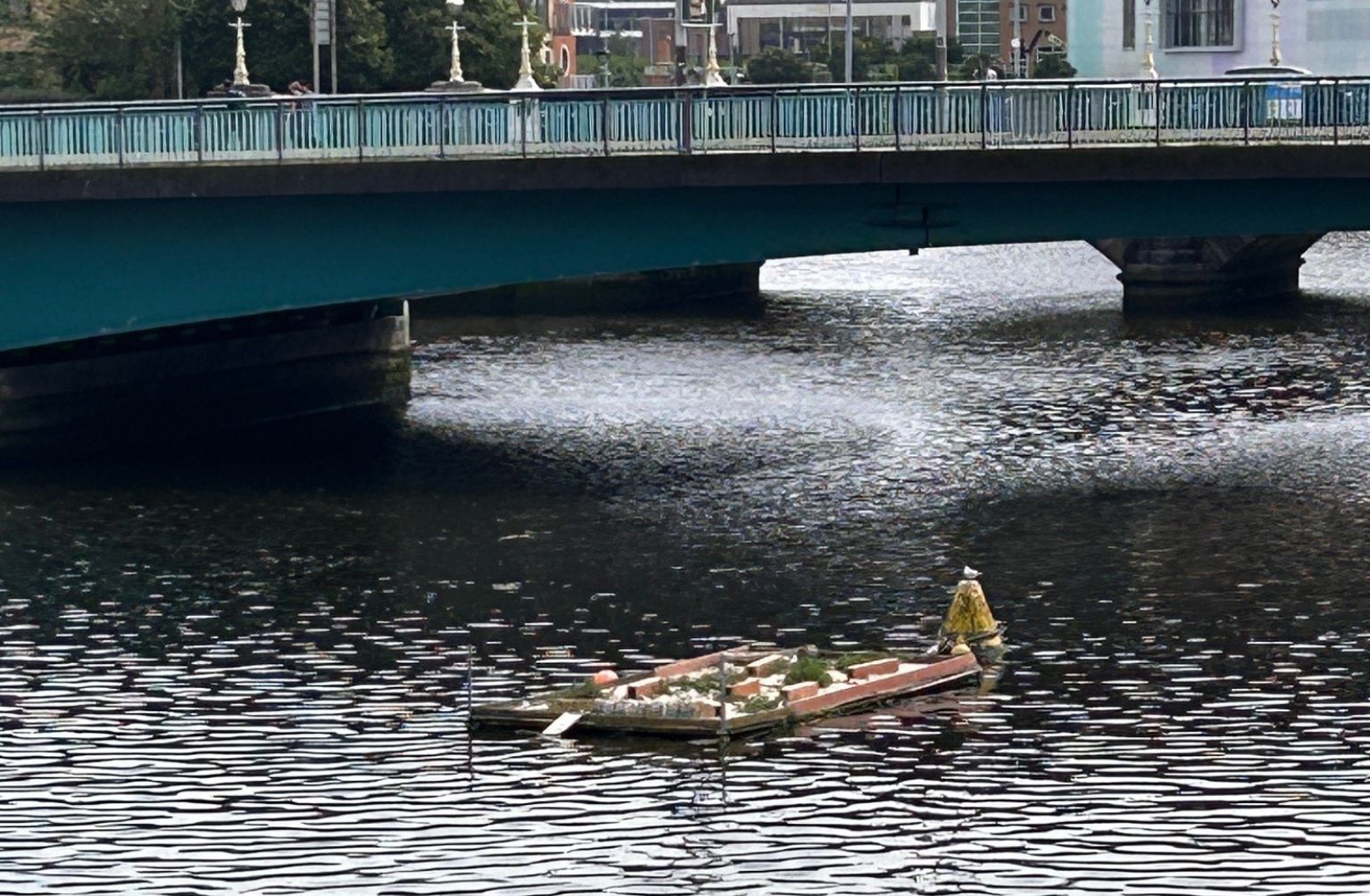
The Department for Communities has successfully created an environment that attracts Terns to nest.
Toolkit Interventions
Good waterfront design encourages activity on the water for both recreation and business purposes. The introduction of floating elements provide opportunities for unique architectures and structures that could house floating businesses such as restaurants and cafes as well as community hubs, saunas and kayak clubs.
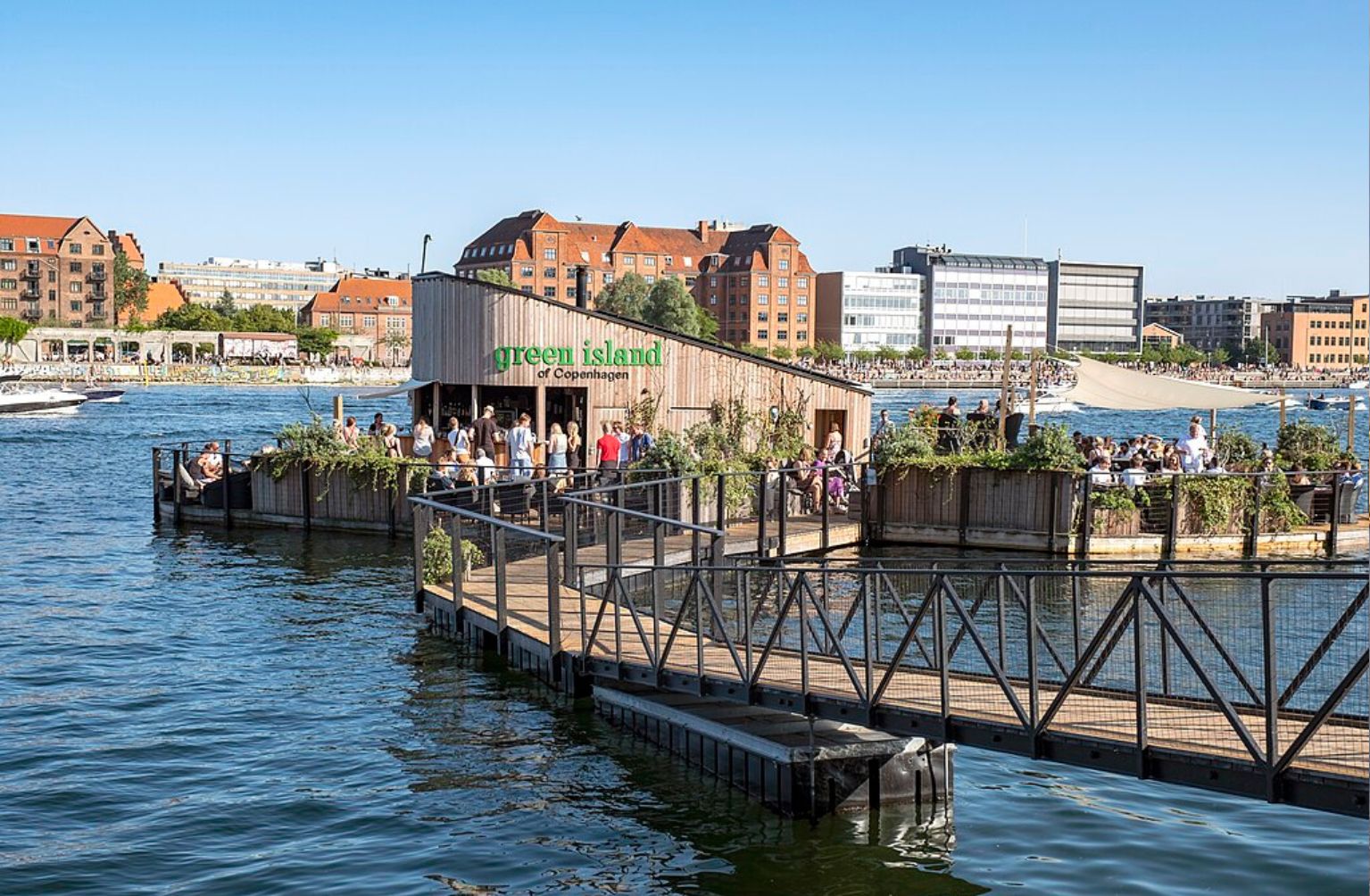
The floating island café in Copenhagen provides an alternative and more relaxed way to engage with the waterfront.
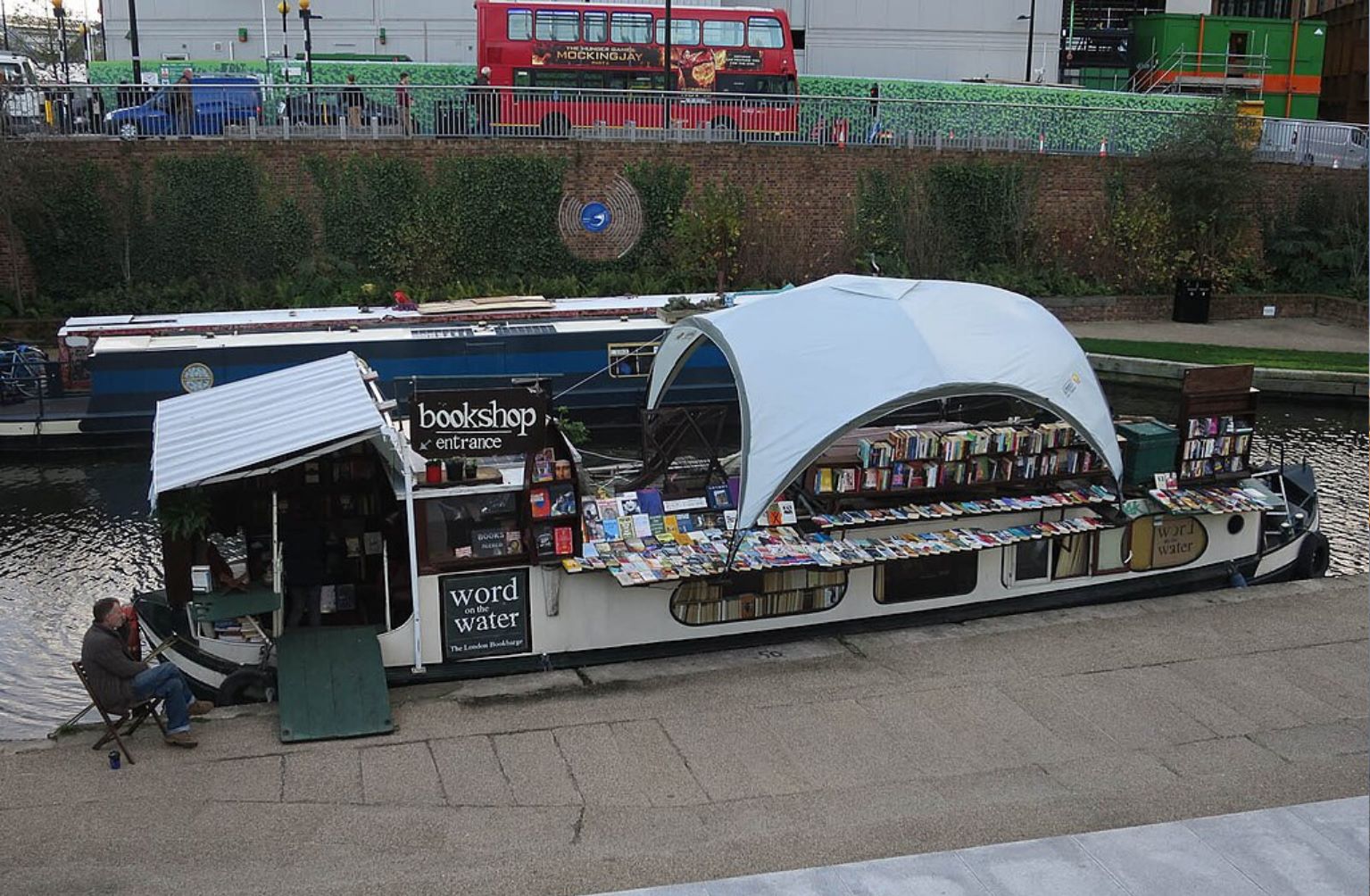
A unique floating bookshop housed on a 1920s Dutch barge moored along the Regent’s Canal at King’s Cross. It also functions as a cultural venue, hosting live readings, music events, and talks on its decks.
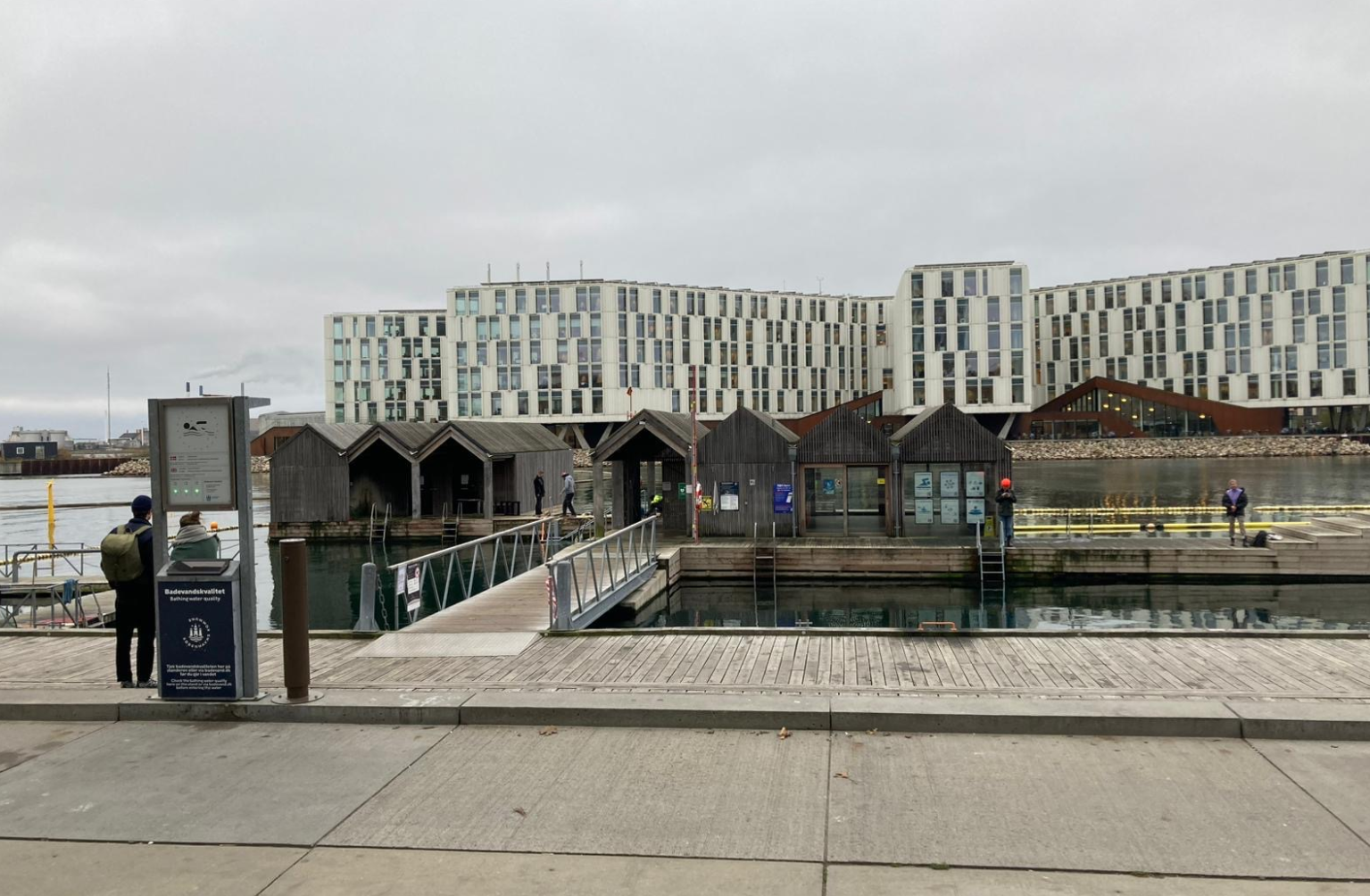
Copenhagen Harbour now boosts clean water and offers public areas for swimming and winter dipping. Private floating saunas and outdoor wellness facilities are also popular providing business opportunities as well as points of interest on the water.